
Coriander Recipes: How to Cook With Fresh Coriander, Coriander Seeds and Coriander Root
Coriander (also called cilantro or Chinese parsley) is one of the most versatile culinary herbs in the world.
Whether you’re making curries, stir-fries, sauces or refreshing drinks, coriander adds a distinctive fresh citrus flavour that works beautifully in many cuisines.
Below you’ll find some of my favourite coriander recipes, organised by recipe type.
Jump to Recipes
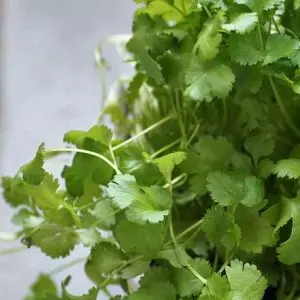
Coriander Curry Recipes
Fresh coriander is a classic ingredient in many Indian and Nepalese curries. The leaves add freshness while coriander seeds provide warmth and depth of flavour.
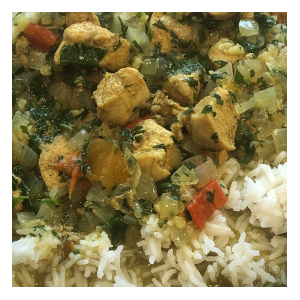
Authentic Nepalese Chicken Curry
A traditional chicken curry packed with spices and finished with fresh coriander.

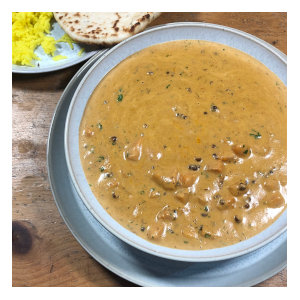
A hearty vegetarian dish where coriander helps balance the warming spices.
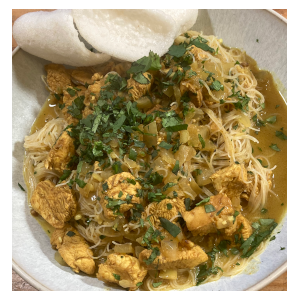
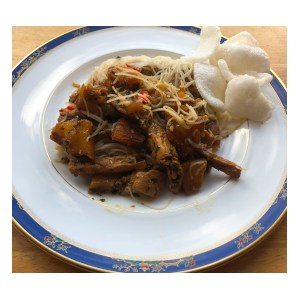
Simple Lemongrass Curry Stir Fry with Coconut Milk
A fragrant curry-inspired recipe combining coconut milk, lemongrass and fresh herbs.
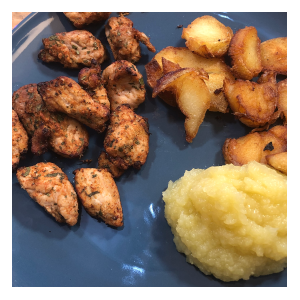
Coriander Chicken Recipes
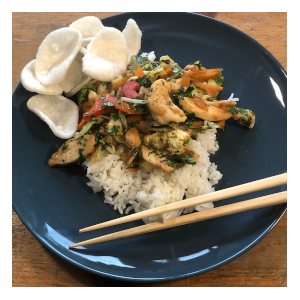
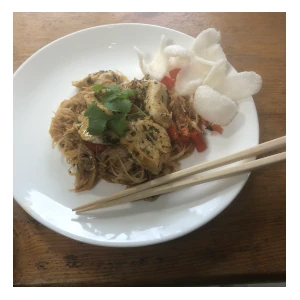
Chicken and coriander are a perfect match. The herb adds freshness that complements both grilled and stir-fried dishes.
Coriander Sauces and Condiments
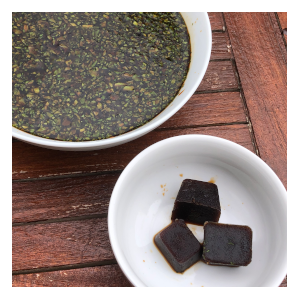
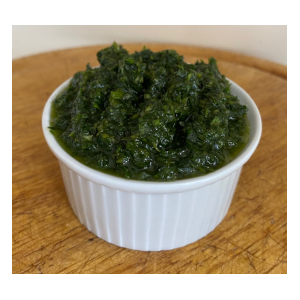
Coriander works exceptionally well in fresh sauces, marinades and dressings.

Coriander Pork Recipes
Fresh coriander is widely used in Asian cooking, especially with pork dishes.
Coriander Drinks and Tea Recipes
Coriander isn’t just for savoury meals. It can also be used in warming drinks and herbal teas.
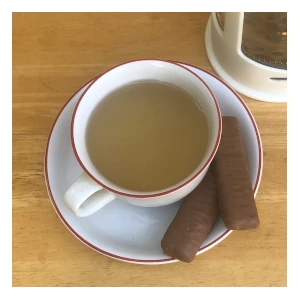
A comforting herbal tea combining coriander with the warming flavour of cinnamon.
How to Use Coriander in Cooking
One of the most common questions people ask is which part of the coriander plant to use. The answer depends on the recipe because there are three distinct forms of coriander, each with its own flavour profile. [thechefsgardener.org]
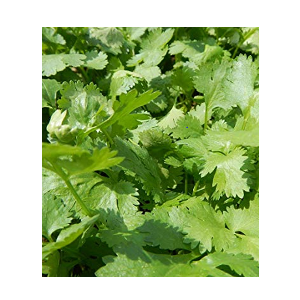
Coriander Leaves (Fresh Cilantro)
Fresh coriander leaves deliver a bright, citrus-like flavour with hints of lemon and lime. They are commonly used as a garnish or added near the end of cooking to preserve their freshness.
Best uses include:
- Mexican salsa
- Tacos and burritos
- Stir-fries
- Salads
- Chutneys
- Asian noodle dishes
Fresh coriander leaves are often the quickest way to add colour and flavour to a meal.
The seeds & plants are available to buy on Amazon
Coriander Seeds
Coriander seeds have a warmer, nuttier and more aromatic taste than the leaves. They are commonly ground into spice blends or added whole to recipes.
Popular uses include:
- Indian curries
- Spice rubs
- Homemade sausages
- Pickling blends
- Roasted vegetable dishes
Ground coriander is made from coriander seeds and has a completely different flavour profile from fresh coriander leaves.
The seeds & plants are available to buy on Amazon
Coriander Root
Coriander root is highly prized in Thai and South-East Asian cooking because it provides an intense earthy flavour.
Common uses include:
- Thai curry pastes
- Soups
- Marinades
- Stir-fry sauces
Many professional chefs consider coriander root one of the most flavourful parts of the entire plant.
The seeds & plants are available to buy on Amazon
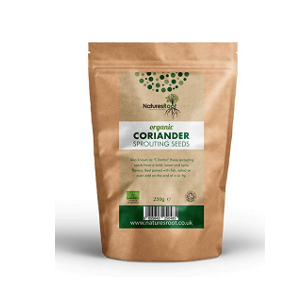
Fresh Coriander vs Ground Coriander
Fresh coriander and ground coriander are not interchangeable ingredients.
Fresh coriander comes from the leaves of the plant and provides a bright, citrus flavour. Ground coriander is produced by grinding dried coriander seeds and delivers a warm, slightly sweet spice flavour.
For the best results:
- Use fresh coriander leaves for garnishing and finishing dishes.
- Use ground coriander when building flavour in curries, sauces and marinades.
- Whenever possible, choose freshly harvested coriander for maximum flavour.
Tips for Cooking With Fresh Coriander
To get the best flavour from fresh coriander:
- Wash and dry the leaves thoroughly.
- Remove tough stems if desired.
- Chop immediately before serving.
- Add at the end of cooking rather than at the beginning.
- Store fresh coriander in the refrigerator to keep it vibrant for longer.
Fresh coriander can also be blended into sauces, dressings and herb purees for an intense burst of flavour.
Is Coriander Good for You?
Coriander contains a range of naturally occurring vitamins, minerals and antioxidants. It is often included as part of a healthy diet and is valued for both its flavour and nutritional profile.
Growing your own coriander can provide access to fresher leaves, which typically offer better flavour than dried alternatives.
Growing Coriander at Home
One of the easiest ways to enjoy coriander recipes year-round is to grow your own plants. Coriander grows quickly and can be cultivated outdoors, in greenhouses, or indoors on a sunny windowsill.
Home-grown coriander gives you access to:
- Fresh leaves
- Coriander seeds
- Coriander root
This makes it an excellent herb for regular home cooking.
Frequently Asked Questions About Coriander
What is the difference between coriander and cilantro?
In the UK and many other countries, the entire plant is called coriander. In North America, the leaves are commonly called cilantro while the seeds are called coriander.
Can you eat coriander stems?
Yes. Tender coriander stems contain plenty of flavour and can be chopped into sauces, curries and stir-fries.
What foods pair well with coriander?
Coriander works particularly well with chicken, lamb, seafood, lentils, rice dishes, curries, chillies, tomatoes and citrus fruits.
Can coriander be frozen?
Yes. Fresh coriander can be frozen whole, chopped, or blended with a little water and frozen in ice cube trays.
I will be adding more recipes over time. For the latest recipes visit my Instagram page
Very easy to grow at home
It is not very difficult to grow the different types of coriander at home – even indoors (in your kitchen, spare bedroom, garage, etc.
More information