
Recipes – how to use what you grow
Growing your own herbs and vegetables is only half the story. The real value comes when you bring those ingredients into the kitchen and turn them into simple, flavour‑led meals.
Whether you’re using fresh basil in a quick pasta, slow‑roasting tomatoes for depth, or building dishes around garlic and peppers, home‑grown ingredients will always give you better results.
This section is designed to help you make the most of what you grow — with practical recipes that focus on flavour, simplicity and real cooking.
Quick links to the article content
- Why cook with home‑grown ingredients?
- How to use fresh produce in recipes
- Recipe categories
- How to build simple meals
- Example recipes
- Where to go next
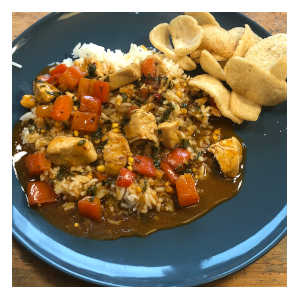
1. Why cook recipes with home-grown ingredients?
There are three main reasons to cook with what you grow:
A – Better flavour
Freshly picked ingredients have more flavour than anything you can buy.
Herbs are more aromatic, vegetables are sweeter, and dishes need less seasoning overall.
B – Simplicity
When your ingredients are high quality, you don’t need complicated recipes. Simple dishes often work best — letting the ingredients do the work.
C – Seasonal cooking
Cooking with what you grow naturally brings variety into your meals throughout the year. You use different ingredients at their best, rather than forcing the same meals all the time.
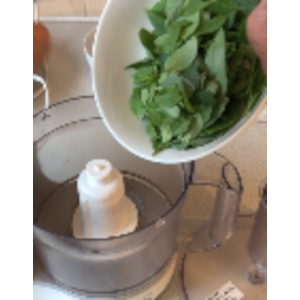
2. How to use fresh ingredients in cooking recipes
Cooking with home‑grown produce is slightly different from shop‑bought ingredients.
Use ingredients at peak freshness
- Pick herbs just before cooking
- Use vegetables when fully ripe
- Avoid storing for too long
Keep recipes simple
- Fewer ingredients, more flavour
- Let key items stand out
- Don’t overcomplicate dishes
Adjust to taste
- Home‑grown food can be stronger
- Add less salt, sugar or seasoning at the start
- Taste as you go
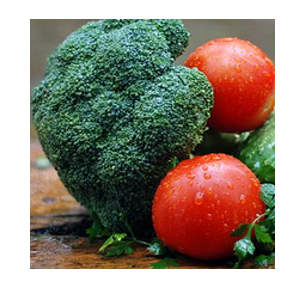
3. Recipe categories
To make things easy, recipes are grouped around how you actually cook and eat.
Ingredient‑based recipes
These help you use specific things you’ve grown:
- Tomato recipes – sauces, salads, slow‑cooked dishes
- Pepper recipes – roasted, grilled, stir‑fried meals
- Garlic recipes – base flavours, sauces, marinades
- Herb recipes – dressings, garnishes, fresh dishes
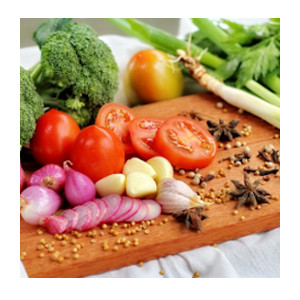
Simple everyday cooking
Recipes designed for regular cooking:
- Quick meals
- One‑pan dishes
- Simple pasta and rice dishes
Flavour‑focused recipes
These focus on enhancing key ingredients:
- Sauces and bases
- Roasted vegetables
- Herb‑led dishes
4. How to build simple meals
Most good meals follow a simple structure:
Step 1 – Choose a base ingredient
Step 2 – Build flavour
- Add oil, salt, and heat
- Combine with complementary ingredients
Step 3 – Keep it balanced
- Acidity (tomatoes, citrus)
- Freshness (herbs)
- Depth (garlic, roasting)
👉 Example: Tomatoes + garlic + basil = simple, high‑quality sauce
5. Example recipes
If you’re starting out, these are great places to begin:
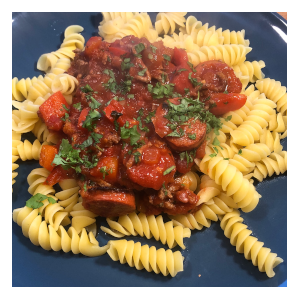
- Simple Chorizo sauce pasta
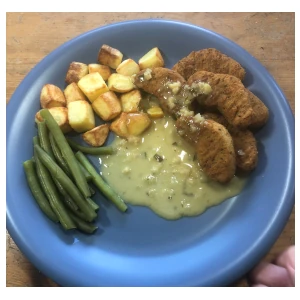
- Dairy free Bearnaise sauce
- Lime and mint cordial
- Ginger Cayenne Pepper Paste
- Rosemary new potatoes
- Thai basil tea
These recipes are designed to be:
- Easy to follow
- Flexible
- Built around fresh ingredients
Where to go next
If you want to get the most from your cooking:
- Explore ingredient pages to understand flavour and use
- Learn how to grow better produce for better meals
- Build a small selection of simple recipes you use regularly
Over time, you’ll rely less on recipes and more on understanding ingredients — which is how the best cooking works.
For the latest recipes & advice why not have a look at my instagram page?