
Peppers – how to grow them & cook with them
Peppers are one of the most versatile and rewarding crops to grow at home. From sweet, crunchy bell peppers to fiery chillies, they add depth, colour and character to a huge range of dishes.
Whether you’re growing compact plants on a windowsill or higher‑yield crops in a greenhouse, peppers are a perfect bridge between the garden and the kitchen.
Quick links to the article content
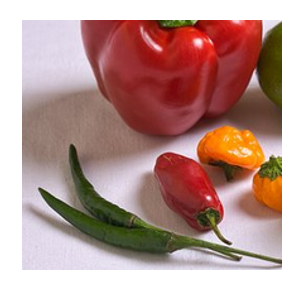
1. Quick facts
- Type: Fruit (used as a vegetable)
- Grows well in: Containers, raised beds, greenhouse, indoors (with light)
- Difficulty: Easy–medium
- Best grown: Warm, sunny conditions
- Harvest time: 10–16 weeks from planting
2. Why grow peppers at home?
There are three main reasons peppers are worth growing yourself:
A – Flavour and freshness
Home‑grown peppers have noticeably more flavour, whether you’re picking them young and crisp or letting them fully ripen for sweetness or heat. Supermarket peppers are often harvested early and lack the full depth of taste.
B – Huge choice of varieties
The range of peppers you can grow at home is far beyond what’s available in shops. From mild and sweet to intensely hot, different varieties completely change how you cook and the flavours you can create.
C – Decorative and productive plants
Pepper plants are compact, attractive, and very productive. Many varieties produce a steady stream of fruit over time, making them ideal for smaller growing spaces.
3. How to grow peppers
Peppers need warmth, light, and consistent care — but once those basics are right, they are straightforward to grow and very rewarding.
My step‑by‑step growing guides show you exactly what to do:
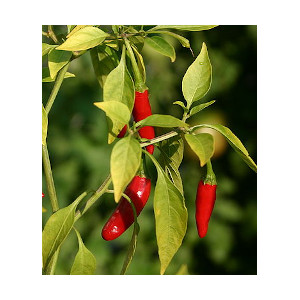
There are 3 main ways to grow peppers
They will grow well in a range of setups, depending on your space:
- Containers & pots – ideal for patios, balconies and indoor growing
- Raised beds – great for stable moisture and root growth
- Greenhouse or polytunnel – best for maximum yields and reliable heat
Consistent warmth is the key factor — the more stable the conditions, the better the results.
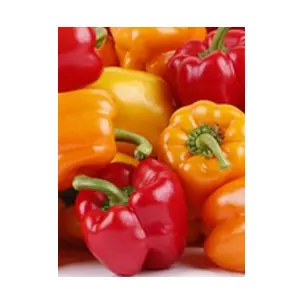
4. Pepper types – which ones to grow and why
There are many types of peppers, but choosing the right ones depends on how you use them in the kitchen.
A – Sweet peppers (bell peppers)
- Mild, crisp and versatile.
- Great for salads, roasting, stuffing and everyday cooking.
- These are ideal if you want high yield and flexibility in recipes.
- Days to harvest – 55 to 90 (depending on type)
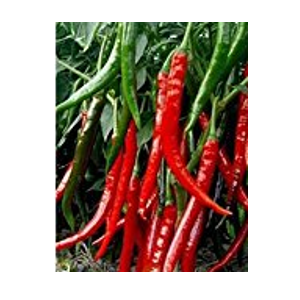
B – Chillies (hot peppers)
- Range from mild warmth to intense heat.
- Used to add spice, depth and balance to dishes.
- Different varieties bring very different flavours — not just heat.
- Days to harvest – 65 to 200 (Big difference in types)
C – Snack & mini peppers
- Small, sweet varieties perfect for quick use, lunch dishes, or garnishing.
- Often quicker to mature and very easy to grow.
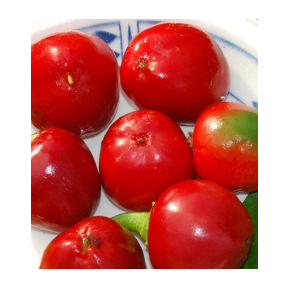
D – Cooking peppers
- Some varieties are specifically better for frying, grilling, or drying.
- These tend to have thinner skins or more concentrated flavour.
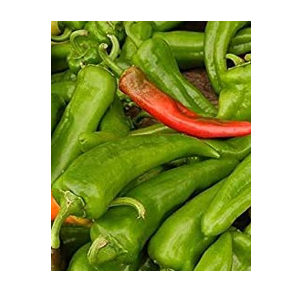
Growing a mix of types gives you much more flexibility in your cooking.
For details, growing and cooking advice have a look at the pepper types index
5. How to use peppers in cooking
Peppers are one of the most adaptable ingredients in the kitchen.
You can use them:
- Fresh in salads, wraps and salsas
- Roasted or grilled to bring out sweetness
- Stir‑fried or sautéed in quick dishes
- Blended into sauces, soups and dips
- Dried or preserved for longer use
Chillies can also be used to control heat levels, allowing you to adjust dishes precisely to your taste.

6. Example pepper recipes
If you’re growing peppers, these types of dishes really make the most of them:
- Roasted pepper sauces and soups
- Stir‑fries with fresh chillies
- Stuffed peppers with herbs, rice or meat
- Fresh salsas and relishes
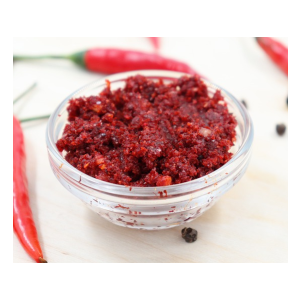
- Chilli oils and infused sauces
These recipes work best when using fresh, fully ripened peppers, where flavour is strongest.
For more details have a look at the example pepper recipes
Where to go next
If you’re starting out with peppers:
- Begin with a sweet pepper or mild chilli
- Focus on a warm, sunny growing spot
- Keep watering consistent and avoid cold conditions
Once you’re comfortable, you can experiment with different heat levels, colours and growing methods.