
Tarragon: Growing and Cooking with This Elegant Culinary Herb
Tarragon is a herb of finesse rather than force.
With its subtle aniseed flavour and close ties to classic French cuisine, tarragon rewards careful growing and thoughtful use.
Quick links:
- The different Varieties
- How to grow it at home
- Harvesting Tarragon
- Cooking with Tarragon
- Preserving Tarragon
- Winter Care and Longevity
This article covers everything you need to understand, grow, and cook this delicious herb – especially the highly prized French variety.
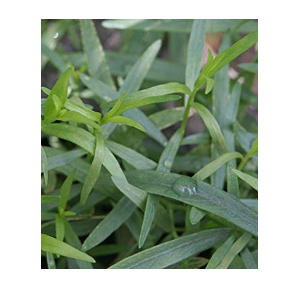
1. Understanding Tarragon Varieties
Not all varieties are the same, and this matters enormously in the kitchen.
A – French tarragon
The gold standard: delicate, sweet, aromatic — and sterile
If you are serious about cooking then the French variety will need to be your choice.
- Very delicate aromatic flavour
- One of the most important herbs in French cooking & recipes.
- Ideal for seasoning salads, sauces, pickles, etc.
- More information
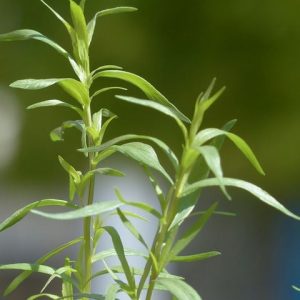
B – Russian tarragon
Very easy to grow but useless for cooking.
- Can be grown from seed, very hardy and fast growing.
- If you want to use it for cooking you will need to use at least 3 to 4 times as much as when using the French one.
- More information
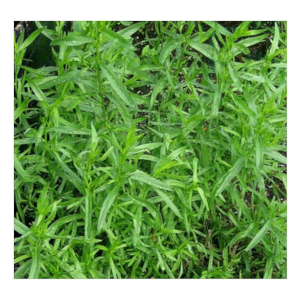
C – Mexican tarragon
Also known as Mexican mint marigold and Texas or winter tarragon a potential substitute for the French one.
- You can grow them from seed, and is easier to grow.
- Less flavour than the French one.
- But does have a slightly stronger aniseed flavour resulting in slightly differently tasting meals.
- More information
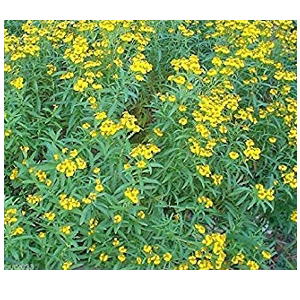
For serious cooking, French tarragon is essential, even though it requires a little more care. There is more info in the article ‘which tarragon for cooking‘
2. How to grow Tarragon
French tarragon can’t be grown from seed and dislikes extremes.
Ideal conditions:
- Sun: Light but not scorching
- Soil: Free‑draining and fertile
- Water: Regular, but never waterlogged
It will grow best in containers or well‑prepared beds, allowing control over soil moisture and winter protection.
There is ‘step by step’ advice on how to grow the 3 types in the article ‘how to grow tarragon indoors‘
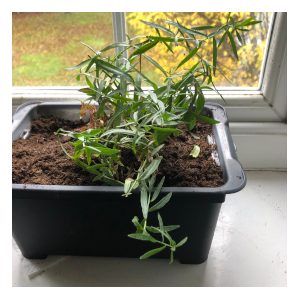
3. Harvesting
Harvest this herb often to keep plants productive.
- Pick young stems before flowering
- Harvest lightly but frequently
- Best flavour comes in late spring and early summer
Once flowering starts, leaf flavour declines.
4. Cooking with Tarragon
The flavour is distinctive, soft, and aromatic — easily overwhelmed if overused.
Classic culinary pairings
- Chicken, veal, and fish
- Eggs and omelettes
- Mushrooms and leeks
- Cream, butter, and white wine sauces
It is a cornerstone of béarnaise sauce, fines herbes, and classical French cookery.
Or for the latest recipes & advice why not have a look at my instagram page?
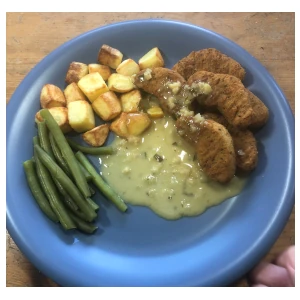
5. Preserving Tarragon
Unlike rosemary, it will lose much of its character when dried.
Better options include:
- Freezing fresh leaves
- Tarragon vinegar, which captures aroma beautifully
- Herb butters or oils for short‑term storage
6. Winter Care and Longevity
French tarragon dies back completely in winter.
- Cut back dead growth in late autumn
- Move pots to frost‑free but cool conditions
- Avoid waterlogging during dormancy
Healthy plants will return strongly in spring.
Explore More
This article acts as your reference point for one of the most refined culinary herbs. Dive deeper into growing guides, classic recipes, and preservation techniques to unlock tarragon’s full potential.