
How to grow & cook with Thyme
Subtle, savoury and incredibly versatile, thyme is a foundational herb in professional kitchens.
It builds depth rather than dominance, making it ideal for slow‑cooked dishes, sauces and roasted foods.
This article covers everything you need to grow, harvest and cook with thyme at home, using the same principles relied on by chefs.
- Why grow your own thyme?
- Key varieties for cooking
- Best growing systems
- Harvesting it properly
- Cooking with thyme
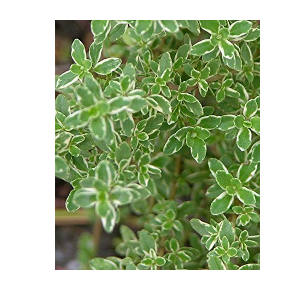
1. Why grow your own thyme?
There are 3 key reasons for growing your own:
A – Much better taste & flavour
Fresh thyme is much more flavourful than dried thyme.
But in addition homegrown thyme will be noticeably fresher and more aromatic than packaged sprigs.
B – The thyme type you can grow
If you buy fresh thyme in a shop it will probably be French thyme.
But the beauty of growing your own is that you can grow varieties (see below) which are ideal for different types of recipes.
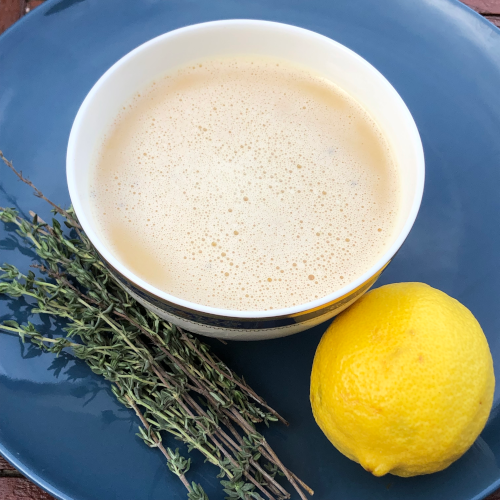
C – Cut and come again benefits
The beauty of your own plant is that it will keep on growing and growing. You don’t have to visit a shop to buy some more as your supplies will be in your house every time.
It’s also one of the easiest perennial herbs to maintain. Why thyme belongs in every kitchen garden:
- Hardy, drought‑tolerant and long‑lived
- Thrives in pots and raised beds
- Ideal for frequent, small harvests
- Very low maintenance once established
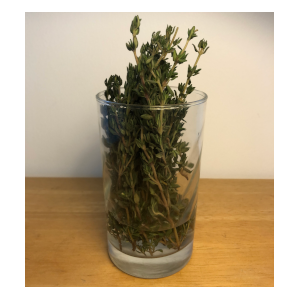
2. Key thyme varieties for cooking
There are over 100 different varieties – some are great for decoration or attracting bees or caterpillars. But the 3 most popular ones to use for cooking are:
A – French thyme
The This is the one you are probably used to and it classic culinary workhorse.
- The leaves have a earthy, balanced aroma and are
- Useful in stews, soups and with meat and fish dishes.
- Because it’s such a powerful herb is it great when combined with other herbs like garlic, oregano, rosemary, etc.
- The seeds & plants are available to buy on Amazon
- How to grow and use French Thyme
B – Lemon thyme
The plants are ideal for lovers of food
- Bright citrus aroma
- Excellent with chicken, fish and vegetables
- The seeds & plants are available to buy on Amazon
- How to grow and use Lemon Thyme
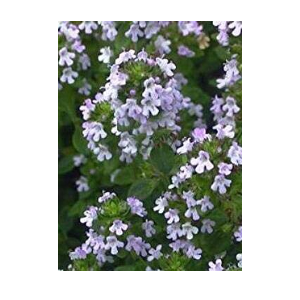
C – Orange thyme
It will have small aromatic green leaves with a lovely citrus smell. And can be used in any recipes to give a lovely citrus thyme aroma.
- Subtle sweetness
- Works beautifully with duck, carrots and desserts
- The seeds & plants are available to buy on Amazon
- How to grow and use Orange Thyme
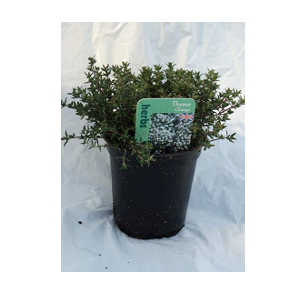
3. Best growing systems for thyme
Best choice at a glance
- Best for beginners: Pots & containers
- Best for long‑term growth: Pots or raised beds
- Best for low watering needs: Free‑draining soil systems
- Best for indoor growing: Sunny windowsills
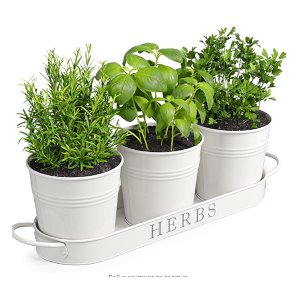
A – Pots & containers (recommended)
- Excellent drainage control
- Easy access for regular harvesting
- Ideal for patios and balconies
It prefers drier conditions than many herbs, so avoid over‑watering.
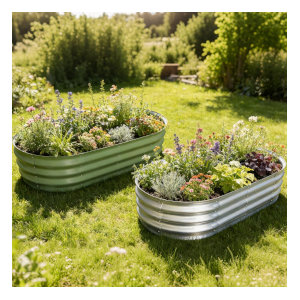
B – Soil‑based beds & raised beds
It is great for growing in a raised bed in the garden – like the pictured one
- Ideal for permanent planting
- Performs well in poor or rocky soils
- Excellent companion plant in herb gardens
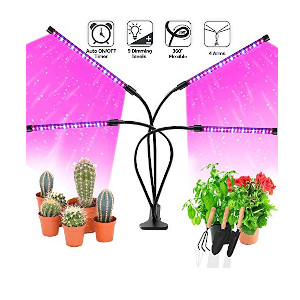
C – Indoor growing
- Grows well indoors with good light
- Slower growth, but steady harvest
- Perfect for year‑round use
4. Harvesting it properly
- Harvest by cutting sprigs, not stripping leaves
- Regular trimming prevents woody growth
- Older plants benefit from light pruning
The flowers are edible and attract beneficial insects.
5. Cooking with thyme
A – How to prepare thyme for cooking
It is very simple to prepare as an ingredient
- Wash the thyme before usings
- Then either use the whole sprig or simply remove leaves and bin the stalk.
- If you want to strip the leaves, hold a stalk at the top and run your thumb and forefinger along the stalk from top to bottom
B – How to use it in recipes
The flavour stands up well to heat, making it ideal for early addition during cooking.
Typical uses:
- Roast meats and vegetables
- Slow‑cooked stews and braises
- Tomato‑based sauces
- Herb blends like bouquet garni
👉 There are example recipes in the thyme recipe section.

Start growing
This herb is a long‑term investment: plant it once and harvest for years. With minimal effort, it provides steady, reliable flavour that quietly transforms everyday cooking.