
Rosemary: Growing, Cooking and Using This Hardy Culinary Herb
Few herbs bridge the gap between garden and kitchen as confidently as rosemary.
Evergreen, aromatic, and deeply tied to Mediterranean cooking, it is as valuable to chefs as it is to gardeners.
On this page you will find everything you need to grow, harvest, cook with, and care for this lovely herb – whether it’s in open ground, a container, or right by the back door.
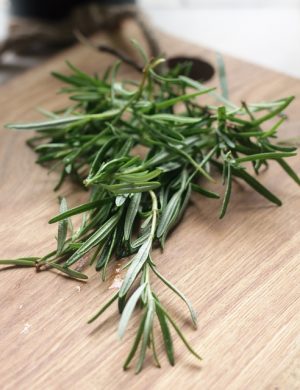
1. Why Grow Rosemary?
Rosemary (Salvia rosmarinus) is prized for its needle‑like leaves, intense pine‑resin aroma, and ability to improve with age. Once established, it is:
- Drought tolerant
- Highly productive
- Attractive year‑round
- One of the most versatile culinary herbs
For cooks, a mature plant means constant access to flavour for roasts, breads, oils, and preserves.
2. Different Rosemary varieties
The different types have different flavour – the key is to select a variety that will suit you.
It is claimed that Tuscan Blue is the chef’s favourite, but the only research we’ve found
(by AHDB Horticulture) analysed the following types:
- Tuscan Blue Rosemary – The chef’s favourite (how to grow & use)
- Sudbury Blue & Severn Sea – Traditional flavour
- Haifa & Primley Blue – Rosemary & Cucumber
- Lady in White & Roseus – a bit ‘hoppy’
Why not grow a few different varieties and test for yourself ?
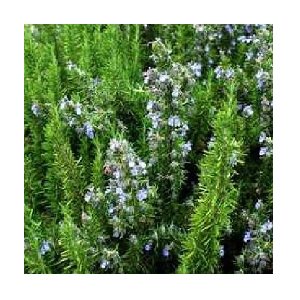
3. Growing Rosemary Successfully
It thrives when treated more like a shrub than a soft herb.
Key conditions
- Sun: Full sun is essential
- Soil: Free‑draining, poor to moderately fertile soil
- Water: Minimal once established
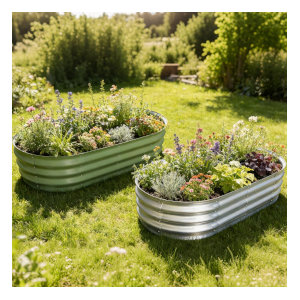
It will grow best in raised beds, gravelly soils, or containers, especially in heavier clay areas.
For more ideas have a look at the growing methods article
4. Harvesting and Pruning
Regular harvesting keeps rosemary productive and compact.
- Snip young, flexible stems rather than woody growth
- Harvest little and often during the growing season
- Prune lightly after flowering to maintain shape
Avoid cutting back into old wood, which rarely re‑sprouts.
5. Cooking with Rosemary
The bold flavour stands up to high heat and long cooking.
Classic uses include:
- Roast lamb, pork, and chicken
- Potatoes and root vegetables
- Focaccia, flatbreads, and crackers
- Herb oils, salts, and butters
Finely chopped fresh leaves is usually preferred, though dried rosemary works well in slow‑cooked dishes.
The example rosemary recipes provide step by step advice on how to use it in cooking, as well as different recipe ideas.

6. Preserving Rosemary
Rosemary preserves exceptionally well.
- Drying: Hang small bunches in a warm, airy place
- Freezing: Strip leaves and freeze in oil or butter
- Infusions: Vinegars, oils, and honey
These methods extend the harvest well beyond the growing season.
7. Pests, Problems and Winter Care
Rosemary is generally trouble‑free, but can suffer from:
- Root rot in wet soil
- Powdery mildew in humid, stagnant air
- Cold damage in severe winters
Pot‑grown plants can be moved to shelter during prolonged frosts, while garden plants benefit from sharp drainage and airflow.
Explore More About Rosemary
This page is your starting point. Explore individual guides on growing methods, varieties, kitchen techniques, and preservation to get the most from this essential chef’s herb.