
Mint – how to grow it & cook with it
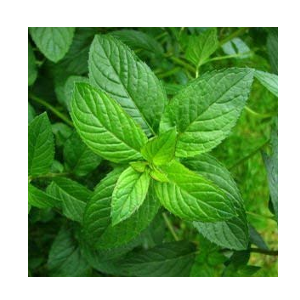
Fresh, aromatic and incredibly versatile, mint is one of the most useful herbs you can grow for the kitchen.
Whether you’re adding brightness to summer drinks, lifting savoury dishes like lamb, or brewing fresh teas, mint delivers big flavour with very little effort.
This article will cover (quick links):
1. Why grow your own mint?
It is widely available in shops, but when home‑grown it is noticeably more fragrant and flavourful.
It’s also one of the easiest herbs to grow, thriving indoors or outdoors and producing a steady supply of leaves for months at a time.
Even a single plant can transform your cooking, drinks and desserts.
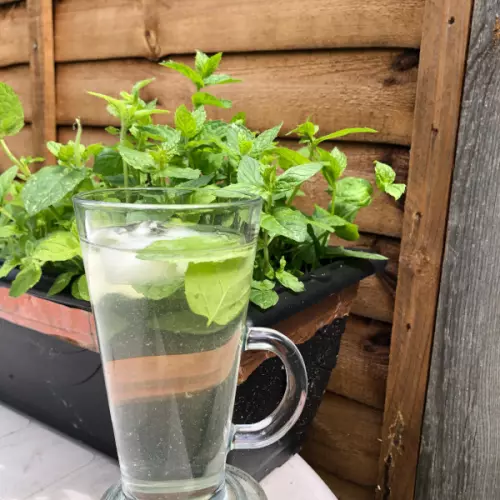
It is also ideal for beginner growers:
- Grows quickly and reliably
- Regrows after cutting, giving multiple harvests
- Suitable for pots, windowsills and growing systems
- Perfect for everyday cooking and garnishing
2. Popular types of mint for cooking
There are hundreds of different varieties, each with its own character. For culinary use, choosing the right type is key.
Below are quick links to how to grow and use mint types:
Spearmint
The classic kitchen mint most people recognise. Bright but balanced, making it extremely versatile.
- Ideal for: lamb, peas, dressings, sauces, mojitos
- A staple in both home and professional kitchens
- How to grow and use Spearmint
Peppermint
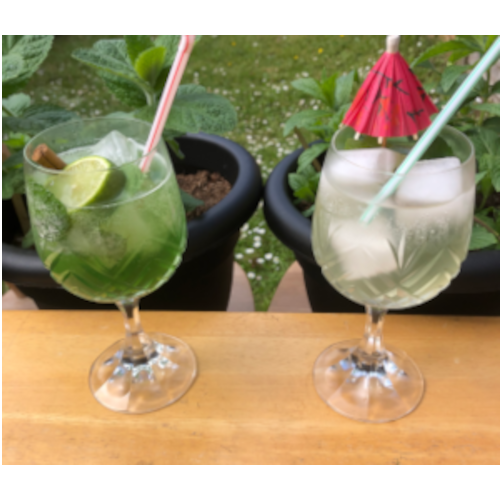
Stronger and more intense, with high menthol content.
- Ideal for: desserts, chocolate dishes, fresh teas
- Less commonly used in savoury cooking
- How to grow & use Peppermint
After eight mint
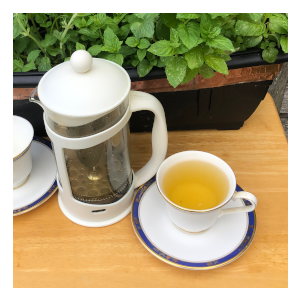
With a unique chocolate flavour
- Ideal for lots of recipes – chocolaty syrup with ice cream or added to a chicken chocolate flavoured sauce.
- More details
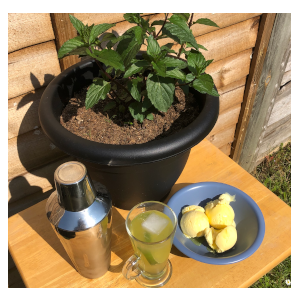
Lime mint, Apple mint, Orange mint…
There are many different types & varieties.
- Lovely to pick a flavour that will suit you.
- Easy to grow and great for recipes.

Learn more: Grow mint for cooking – step by step
For price & to order visit the UK Amazon or the USA Amazon store
3. How to grow mint successfully
Mint is fast-growing and spreads using underground runners, which makes it both productive and potentially invasive. That’s why containers are strongly recommended, even outdoors.
You can grow it:
- In pots on patios or balconies
- On a sunny windowsill indoors
- In hydroponic or aquaponic systems
Key points for success:
- Use pots to control growth
- Harvest regularly to encourage fresh leaves
- Keep soil consistently moist, but not waterlogged
👉 Full guide: How to grow mint for cooking
Best growing systems for mint
Best choice at a glance
- Best for beginners: Pots & containers
- Best for small spaces & kitchens: Indoor pots or windowsills
- Best for fastest growth & clean harvests: Hydroponic systems
- Best for larger gardens: Isolated beds or sunken containers
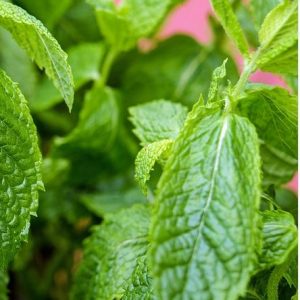
Mint adapts extremely well to different growing systems, which makes it ideal for the “What to grow” category. The key is controlling its spread while maximising leaf quality and flavour.
Pots & containers (recommended)
For most home growers, pots are the best and simplest option.
- Keeps fast‑spreading roots under control
- Easy to move for light, warmth or harvesting
- Ideal for patios, balconies and doorsteps
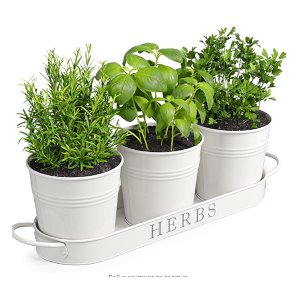
Use a reasonably large pot and harvest regularly to keep plants productive and compact. Like the pictured kitchen herb planter kit
Soil‑based growing (beds or raised beds)
It can be grown in the ground or raised beds, but only where spread can be managed.
- Best grown in sunken containers or barriers within beds – like the pictured one.
- Very vigorous once established
- Works well in kitchen gardens if isolated
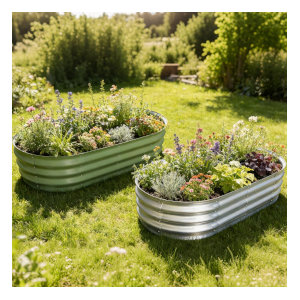
This approach suits growers with more space who are happy to manage runners.
Indoor growing & windowsills
Mint performs well indoors with good light.
- Perfect for year‑round access to fresh leaves
- Compact when harvested often
- Excellent for small kitchens and flats
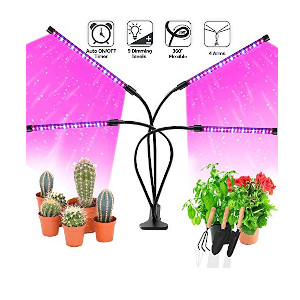
Use free‑draining compost and avoid letting roots sit in water. One very easy option is to use a grow light for best results.
Hydroponic & aquaponic systems
It is a fantastic herb to use this system as it thrives in soilless systems and as a result it is widely used in professional and semi‑professional setups.
- Fast growth and high leaf production
- Clean, consistent harvests
- Ideal for controlled environments
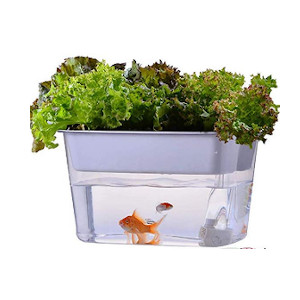
Harvesting regularly is essential to prevent excess top growth and maintain flavour.
👉 See systems in action: for more details have a look at the soil, hydroponic and aquaponic options.
4. Harvesting mint for the best flavour
Mint should be harvested little and often. Cutting encourages new growth and keeps the plant compact.
For cooking:
- Harvest in the morning for best aroma
- Cut whole stems rather than single leaves
- Use fresh where possible for maximum flavour
For preparation, professional kitchens use a simple technique:
- Stack the leaves
- Roll them tightly
- Slice finely (rather than chopping)
This prevents bruising and preserves the essential oils.
5. Cooking with mint
Mint isn’t just for garnishes. Used correctly, it enhances both sweet and savoury dishes.
Common culinary uses include:
- Mint sauce and dressings
- Fresh herb salads
- Lamb, peas and new potatoes
- Lemonades, teas and cocktails
- Desserts and chocolate pairings
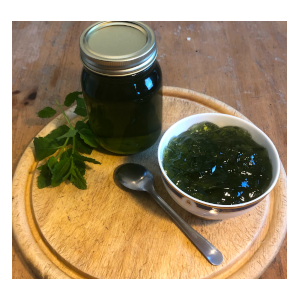
On The Chef’s Gardener you’ll find recipes that make use of home‑grown herbs, showing how a small harvest can make a big difference on the plate.
👉 Explore recipes:
Growing guides & resources
Use the links below to dive deeper:
- Grow mint for cooking – complete guide
- Harvesting and preparation tips
- Choosing the right variety for your recipes
Start growing
If you’re new to growing herbs, mint is one of the strongest places to start. A single pot can supply fresh leaves for months and dramatically improve everyday cooking.
Select the type that suits the dishes you love, grow it well, harvest it fresh – and cook like a chef.
For the latest recipes & advice why not have a look at my instagram page?
For price & to order visit the UK Amazon or the USA Amazon store