
Tomatoes – how to grow them & cook with them
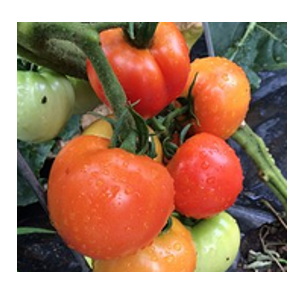
Tomatoes are one of the most rewarding crops to grow at home.
Whether you’re picking warm cherry tomatoes straight from the plant or using full‑flavoured fruits in sauces, salads and roasts, they completely change the quality of your cooking.
From compact plants grown in pots on a patio to heavy‑cropping vines in a greenhouse, tomatoes sit right at the heart of the kitchen garden.
Quick links to the article content
Quick facts
- Type: Fruit (grown as a vegetable)
- Grows well in: Containers, raised beds, greenhouse, polytunnel
- Difficulty: Easy–medium
- Best grown: Outdoors in summer or undercover
- Harvest time: 8–14 weeks from planting
Most Popular tomatoes
The most popular tomatoes to grow for cooking:
1. Why grow tomatoes at home?
There are three main reasons tomatoes are worth growing yourself:
A – Taste difference vs supermarket tomatoes
Home‑grown tomatoes taste dramatically better. Shop‑bought tomatoes are bred for transport and shelf life, not flavour.
When you grow your own, you pick them fully ripe — which gives you sweetness, acidity and aroma you simply can’t buy.
B – Choice of varieties
Supermarkets offer a tiny selection compared with what you can grow at home.
From rich, meaty cooking tomatoes to sweet cherry varieties and unusual colours, you can choose the type that actually suit how you cook.
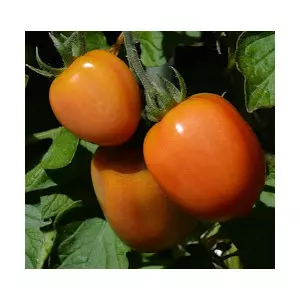
Like the pictured tomatillo – which is great for Mexican recipes
C – Value and yield
A single healthy plant can produce a surprising amount of fruit over the season. Once established, they will provide weeks of fresh harvests with very little ongoing cost.

2. How to grow tomatoes
They are straightforward to grow once you understand a few basics: warmth, light, water, and support.
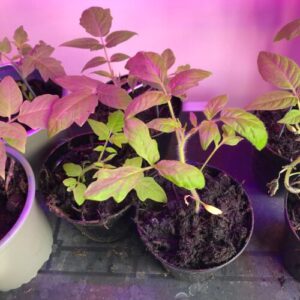
They are very easy to grow at home – for example the picture shows Roma tomatoes in their early stages, grown from seed.
My step‑by‑step growing guides show you exactly what to do:
3 main ways to grow tomatoes
They adapt well to different growing setups, making them ideal for most spaces:
- Containers & grow bags – perfect for patios, balconies and small gardens
- Raised beds – excellent drainage and strong root growth
- Greenhouse or polytunnel – higher yields and longer harvests
Choosing the right system makes growing easier and improves flavour.
3. Tomato types – which ones to grow and why
There are hundreds of varieties, but you don’t need to grow them all. Picking the right type depends on how you plan to use them in the kitchen.
Cherry & small tomatoes
Sweet, fast‑ripening and perfect for salads, snacking and roasting. These are usually the easiest type to grow, especially in pots.
Medium & salad tomatoes
Balanced flavour and versatile size. Great sliced fresh, grilled, or added to everyday cooking.
Large & beefsteak tomatoes
Big fruits with rich flavour and fewer seeds. Ideal for sandwiches, stuffing, and slow‑cooked dishes.
Cooking & sauce tomatoes
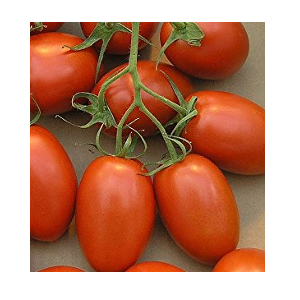
Meaty, lower‑water tomatoes that shine in sauces, soups and roasting. These varieties give concentrated flavour when cooked.
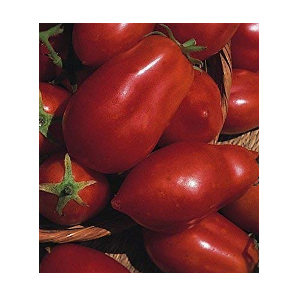
Choosing the type for how you cook makes a huge difference to final results.
For more details have a look at the tomato varieties page
4. How to use tomatoes in cooking
Tomatoes are incredibly versatile and work across almost every cuisine.
You can use them:
- Fresh in salads, salsas and sandwiches
- Roasted to intensify sweetness
- Slow‑cooked into sauces, stews and curries
- Blended for soups and dressings
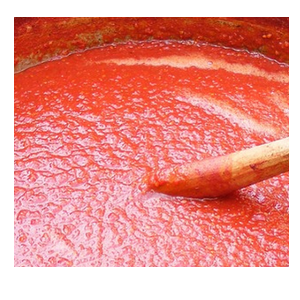
Home‑grown tomatoes need less seasoning and less cooking time because the flavour is already there.
5. Example tomato recipes
If you’re growing tomatoes, these types of recipes really show them off:
- Tomato & basil pasta sauces
- Slow‑roasted tomatoes for meats and fish
- Fresh tomato salads and bruschetta
- Rich tomato‑based curries and stews
- Simple tomato sauces for freezing
These recipes are designed to use the flavours you only get from home‑grown produce.
For details have a look at the example tomato recipes

Where to go next
If you’re new to growing tomatoes, start with:
- A simple cherry variety
- A sunny spot
- Regular watering and feeding
From there you can experiment with different types and setups to match your space and cooking style.