
The best basil to grow for cooking depends on the dish you’re making.
Sweet and Genovese basil work best for Italian and Mediterranean food, Thai basil suits Southeast Asian dishes, while lemon and cinnamon basil add citrus or spice to regional cuisines.
But in addition a key element to consider is how easy they are to buy in a shop. Most shops will sell Genovese basil but specialised ones (like Cinnamon basil) might be difficult to get.
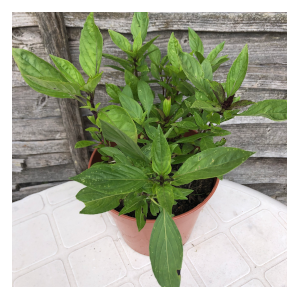
What is the best basil to grow for cooking?
In this article you will find:
- The top 8 basil types to grow for cooking
- How to select which basil to grow & why
- The easiest way to grow basil at home
The top 8 basil types to grow for cooking
If you want to cook recipes using basil then the key to realise is that different types of basil will have completely different flavours.
Below is a quick comparison with more detailed explanation for each one lower down the page:
| Basil Type | Flavour | Best For | Use Fresh or Cooked |
|---|---|---|---|
| Genovese | Sweet, clove‑like | Italian, tomato dishes | Fresh & cooked |
| Thai | Anise, liquorice | Thai, Vietnamese | Best cooked |
| Lemon | Citrus | Fish, salads, desserts | Fresh |
| Cinnamon | Warm, spicy | Mexican, drinks | Fresh |
| Holy (Tulasi) | Peppery | Thai stir‑fries | Cooked |
| Red Rubin | Strong basil | Tomato dishes, salads and cocktails | Fresh & cooked |
| Lettuce Leaf | Subtle flavour | Sandwiches, pesto and salads | Fresh |
| Minette | Slightly spicy | Pizza, pasta and salads | Fresh & cooked |
How to select which basil to grow & why
Most often people will recommend Genovese basil but that’s not always the best option.
We scored the best basil to grow at home for cooking with a maximum score of 5. We considered these items:
- Flavour – how unique is the flavour and what does it add to recipes
- How easy is it grow
- Availability – how easy is it to buy fresh leaves for cooking in a shop
- Total score – combining all of the above.
Based on this we ranked the best basil to grow for cooking as follows:
- Cinnamon basil
- Lemon basil
- Holy basil
- Red Rubin basil
- Thai basil
- Genovese basil
- Lettuce leaf basil
- Minette basil
However, please don’t forget that basil grown at home will often taste better than shop bought ones. So if (for example) you cook a lot of French or Italian meals then growing Genovese basil would be ideal.
Detailed basil type comparison:
| Basil type | Flavour | Easy to grow | Not available in shops | Ranking |
| Cinnamon Basil | 5 | 5 | 5 | 5 out of 5 |
| Lemon Basil | 5 | 4.5 | 5 | 4.8 out of 5 |
| Holy Basil | 5 | 4 | 5 | 4.7 out of 5 |
| Red Rubin Basil | 4.5 | 4 | 5 | 4.5 out of 5 |
| Thai Basil | 5 | 5 | 3 | 4.3 out of 5 |
| Genovese Basil | 5 | 5 | 3 | 4.3 out of 5 |
| Lettuce Leaf Basil | 3 | 4 | 5 | 4.0 out of 5 |
| Minette Basil | 3 | 3 | 5 | 3.7 out of 5 |
The 8 Basil types
Taking them in turn:
1. Sweet or Genovese Basil
Cooking Mediterranean or European Dishes ? For example Italian, French or Greek.
If you buy this herb in a shop in the UK then you will most likely get either sweet or genovese basil.
However, even these 2 European varieties are different.
- Sweet basil has a flavour tasting a bit like a blend of liquorice and cloves with a hint of mint.
- Genovese one has a stronger flavour preferred by chefs – a bit like a combination of aniseed and cloves.
So if your recipes require a subtle flavour grow sweet variety at home. On the other hand if you prefer a stronger flavour (ideal for either Italian or dishes containing tomatoes) grow the Genovese one at home.
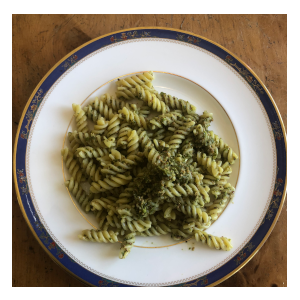
2. Cinnamon or Mexican Basil
Cooking Central American Dishes? – For example Mexican or South American
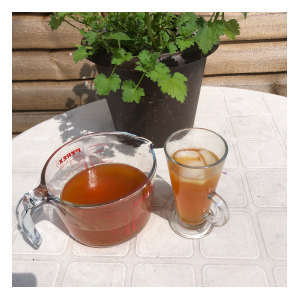
The cinnamon option has a spicy, fragrant aroma and flavour. It can be used not only in pastas & salads but also in cookies, pies, ice cream.
Or drinks like the cinnamon basil iced tea pictured.
3. Thai basil
Cooking Asian Dishes ? For example Thai, Laos or Vietnamese…
Then the Thai one has to be a must – in addition it is ideal to grow indoors, because as a tropical plant it needs warm temperatures and is not frost resistant.
The reason it’s so good for Asian dishes is that it has the same flavours as standard option but in addition has a strong liquorice and anise flavour that gives foods like curries and soups a unique aroma.
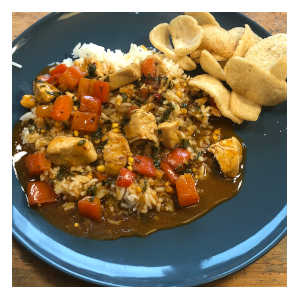
4. Lemon basil
Cooking South Asian or North East African Dishes ? For example Indonesian, Philippine or Arabic…
Then the unique flavour of lemon is a must. In addition a key benefit is that it can be used in many different ways – for example eaten raw with a salad, used to season many cooked dishes or even used in sweet desserts.
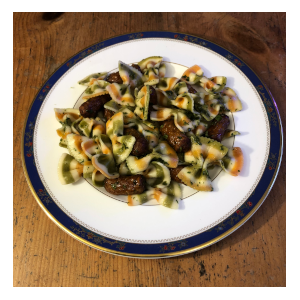
5. Tulasi or Holy Basil
Cooking spicy Thai dishes?
Then you should grow Red Holy Basil. Although sometimes confused with Thai Basil (see above) this variety is completely different and has such a peppery flavour that it is often referred to as ‘hot basil’.
Please note that white holy basil is again slightly different, and often used for seafood dishes.
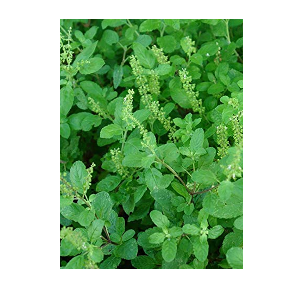
6. Red Rubin Basil
Ideal for tomato dishes, salads and especially great in cocktails. Stronger than regular basil with striking red colour.
It is often used in recipes like Basil Pesto, but when using it simply use less than other basil types (unless you like a strong basil flavour).
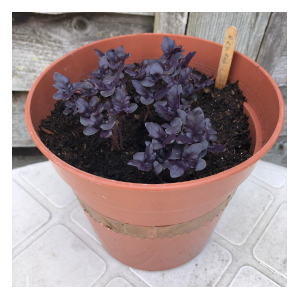
7. Lettuce leaf basil
Often used for sandwiches, pesto and salads it has very large leaves with a nice subtle basil flavour.
This type of basil has a lovely flavour, and great as a substitute for normal lettuce. It is not available in many shops but not that hard to grow at home
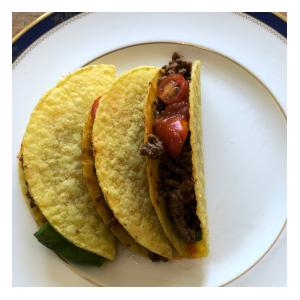
8. Minette basil
Often used for pizzas but great in pasta and salads. Small leaved with lots of flavour
Minette Basil is easy to grow and has a stronger flavour than most basils sold in shops. However there are better options you could try
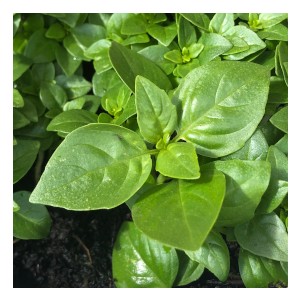
How to grow Basil at home
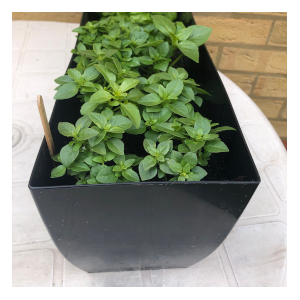
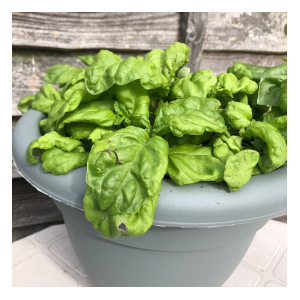
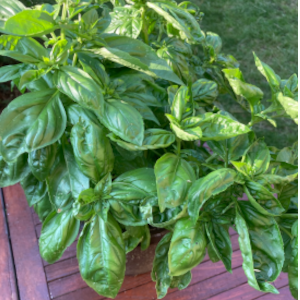
So far I’ve grow all the different types of basil at home, and used them in different basil recipes – for example below you will see pictures of some of them:
A ‘step by step’ growing plan
Herbs (like basil) are very easy to grow at home, and you will notice a real difference in the taste when using fresh herbs in cooking.
Step 1 – Decide if you want to use seeds or a plug plant
The key advantage for seeds is that they will be a lot cheaper and you can often grow a lot more basil plants.
In addition it’s easier to order the basil type you would like.
However a plug plant is easier and will help you get faster results.
If you’ve selected the basil type you would like then just use the links from the basil variety page for buying options
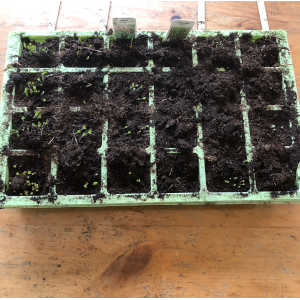
Step 2 – If using seeds then follow the fast growing plan
Our article on how to grow herbs from seeds fast will show you 4 key items that make all the difference
For example the video below shows how effective a heat mat can be.
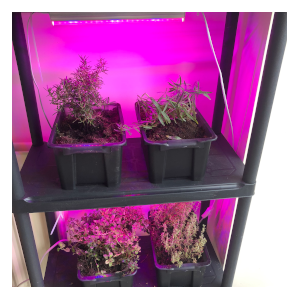
Step 3 – Manage heat & light
Both the right amount of light & temperature makes all the difference to how fast your basil will grow.
For example the picture shows how I grow different types of herbs indoors using grow lights attached to a kitchen shelf.
This is how I get very fast results when growing plants
Alternative option – Hydroponics or Aquaponics
A different method (and by far and way the easiest way to grow herbs indoors) is to use an automated hydroponic or aquaponic unit.
Hydroponic & aquaponic systems are very similar. After you have selected the best herbs to grow indoors, you simply grow them with the roots growing in water and not soil. This is the method used by most commercial growers (for example for herbs and other crops like tomatoes and peppers) as it tends to get the best results. For more info follow the links in our growing systems page
More information
For details of the Basil used in the Basil recipes, as well as growing advice follow the links below
How to use fresh basil in cooking
To be kept updated simply visit my Instagram page