
Vegan Basil Pesto Recipe (Nut-Free & Dairy-Free)
Looking for an easy vegan basil pesto recipe that tastes fresher and better than shop-bought versions?
This nut-free and dairy-free basil pesto is made with fresh basil leaves, sunflower seeds, garlic, lemon juice and extra virgin olive oil. It’s ready in just 5 minutes and is perfect for pasta, sandwiches, salads and meal prep.
Traditional Italian pesto is usually made with pine nuts and Parmesan cheese. This vegan version delivers all the fresh, aromatic flavour you expect from homemade pesto while remaining completely dairy-free and nut-free.
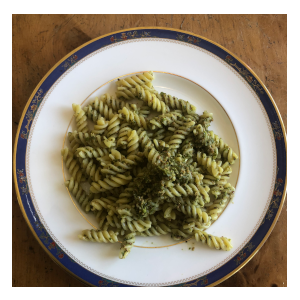
If you’re growing basil at home, this is one of the best ways to enjoy your harvest. Freshly picked basil creates a vibrant sauce that is packed with flavour and incredibly versatile in the kitchen.
Why You’ll Love This Vegan Basil Pesto
- Ready in just 5 minutes
- Completely vegan and dairy-free
- Nut-free and suitable for many allergy sufferers
- Uses simple ingredients
- Perfect for pasta, sandwiches and salads
- Great way to use homegrown basil
- Stores well in the fridge for quick meals
Vegan Basil Pesto Recipe
Prep Time
3 minutes
Cook Time
2 minutes
Total Time
5 minutes
Servings
4 small jars
Cuisine
Italian
Course
Sauce, Ingredient
Equipment
- Food processor or blender
- Pestle and mortar (optional)
- Sharp kitchen knife
Ingredients
- 1 cup fresh basil leaves
- 2 cloves garlic
- 50g sunflower seeds
- 2 tablespoons lemon juice
- ⅓ cup extra virgin olive oil
- ½ teaspoon sea salt
Instructions
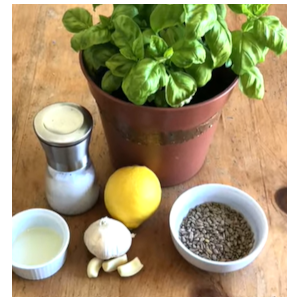
Step 1: Prepare the Ingredients
Wash and dry the basil leaves thoroughly. Peel the garlic cloves and measure out the remaining ingredients.
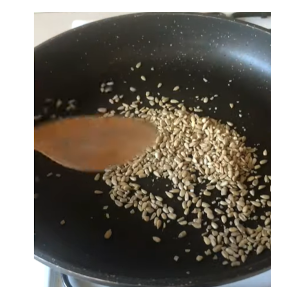
Step 2: Toast the Sunflower Seeds
Place the sunflower seeds in a dry frying pan over medium heat for 2 to 3 minutes.
Stir regularly until lightly toasted and fragrant. Allow them to cool slightly.
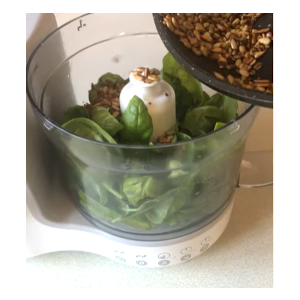
Step 3: Blend the Ingredients
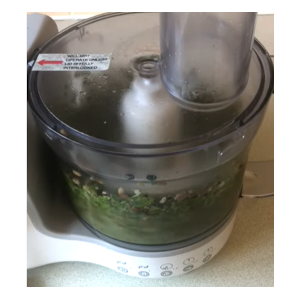
Add the basil, garlic, sunflower seeds, lemon juice and salt to a food processor.
Pulse several times until roughly combined.
Step 4: Add the Olive Oil
Slowly pour in the olive oil while blending until the pesto reaches your desired consistency.
For a chunkier pesto, pulse briefly. For a smoother sauce, blend for longer.
Step 5: Store or Serve
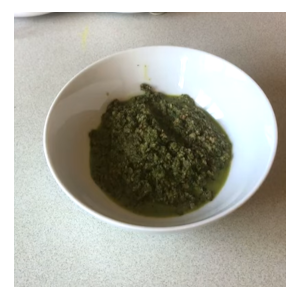
Transfer the pesto to a clean airtight container.
Serve immediately or refrigerate until needed.
Tips for the Best Homemade Vegan Pesto
Although pesto is very easy to make, a few simple adjustments can dramatically improve the flavour.
Use Fresh Basil
Fresh basil is the star ingredient, so try to use the freshest leaves possible. Homegrown basil often produces a more intense flavour than supermarket herbs.
Don’t Overheat the Basil
Excessive blending can warm the ingredients and reduce the fresh flavour of the basil. Pulse in short bursts for the best results.
Taste Before Serving
Different garlic varieties vary greatly in strength. Taste the pesto before serving and adjust the seasoning, lemon juice or garlic as needed.
Best Basil Varieties for Pesto
Most pesto recipes call for Genovese basil, but experimenting with different basil varieties can create unique and delicious flavours.
Genovese Basil
The traditional choice for authentic Italian pesto. Sweet, aromatic and rich in flavour.
Lemon Basil
Adds fresh citrus notes that pair beautifully with pasta and seafood dishes.
Thai Basil
Creates a more complex pesto with subtle liquorice and anise flavours.
Holy Basil
Offers a slightly peppery taste and works well for those who enjoy stronger herbal flavours.
Cinnamon Basil
Adds warmth and spice, making for a distinctive pesto variation.
Growing several basil varieties can be a fun way to create your own signature pesto recipe.
How to Use Vegan Basil Pesto
One of the best things about pesto is its versatility.
Try it:
- Stirred through pasta
- Spread on sandwiches and wraps
- Drizzled over roasted vegetables
- Used as a pizza topping
- Mixed into salads
- Added to soups
- Served as a dip with bread
- Tossed with new potatoes
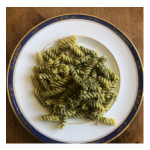
For a quick meal, simply mix freshly cooked pasta with a few tablespoons of pesto and serve with garlic bread.
How Long Does Homemade Pesto Last?
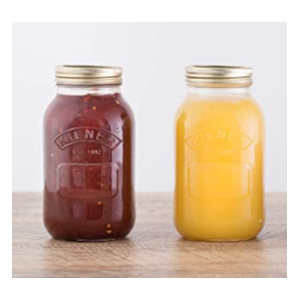
Fresh vegan basil pesto can typically be stored in an airtight container in the refrigerator for up to one week.
Like the jars pictured – full details on Amazon
To keep it fresher for longer, pour a thin layer of olive oil over the top before sealing the container. This helps reduce exposure to air and slows oxidation.
You can also freeze pesto in ice cube trays for convenient single portions.
Frequently Asked Questions
Yes. Sunflower seeds are an excellent alternative to pine nuts and provide a similar texture while keeping the recipe nut-free.
Traditional basil pesto is not usually vegan because it contains Parmesan cheese. This recipe is completely vegan and dairy-free.
Genovese basil is generally considered the best basil variety for traditional pesto. However, lemon basil, Thai basil and holy basil all create delicious variations.
Yes. Pesto freezes very well and can be stored for several months in airtight containers or freezer trays.
Why does homemade pesto taste better?
Fresh herbs, freshly crushed garlic and quality olive oil create a brighter, more vibrant flavour than most commercially produced pesto.
Grow Your Own Basil for Better Pesto
If you’ve never grown basil before, you’ll be pleased to know it’s one of the easiest herbs to grow at home. Whether grown on a windowsill, in a greenhouse or outdoors during summer, basil provides a continuous supply of fresh leaves for cooking.
Growing your own basil means you can harvest leaves exactly when needed, giving you the freshest possible ingredients for pesto, salads and other Mediterranean dishes.
For gardeners and home cooks alike, fresh basil is one of the most rewarding herbs to grow and one of the most useful ingredients to keep on hand. More details further down the page.
Final Thoughts
This vegan basil pesto recipe proves that you don’t need cheese or pine nuts to create an incredible homemade pesto. With just a handful of simple ingredients and five minutes of preparation, you can make a fresh, flavour-packed sauce that’s healthier, cheaper and tastier than many shop-bought alternatives.
Whether you’re growing your own basil or simply looking for an easy vegan sauce for pasta night, this nut-free pesto recipe is one you’ll make again and again.
Vegan basil pesto recipe
Equipment
- Food processor or
- Pestle and mortar
- Chef's Knife (Available from Amazon)
Ingredients
- 1 cup Fresh basil leaves Genovese basil is the authentic Italian basil – but it's well worth experimenting with other basil types for different flavours
- 2 cloves Garlic If you use shop garlic you might need 2 to 3 cloves. If you use a homegrown garlic (like Purple Stripe) you might only need 0.5 to 1 cloves
- 50 gram Sunflower seeds
- 2 tbsp Lemon Juice
- 1/3 cup Extra virgin olive oil
- 1/2 tsp Sea salt
Instructions
- Get all the ingredients ready
- Fry the Sunflower seeds
- Pour ingredients into blender
- Blend and add olive oil
- Pour into container
Video
Notes
Nutrition
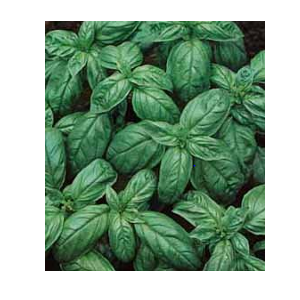
How to grow basil at home
Bhai basil is very easy to grow at home.
For step by step advice have a look at ‘how to grow basil indoors’
More information
Hopefully the homemade pesto recipe might inspire you to grow your own fresh basil at home.
When you are cooking fresh herbs tend to make a real difference to the results. Herbs are really easy to grow at home and many of them grow really fast.
To grow your own basil
Most people will tend to use the basil bought in shops, or grown at home.
But basil is very easy to grow your own at home in your kitchen, dining room, etc. For the best & fastest results all you will need are seeds, growing system and some growing lights.
Basil is great to grow at home, as it’s very easy to grow and is ready very quickly. But there are lots of different types you can use.
For example:
- Genovese Basil – is the one most often used
- Holy Basil – (sometimes know as hot basil) will be a more peppery
- Lemon Basil – will add a lovely lemon flavour
- Thai Basil – will give it a unique liquorice and anise flavour (I like liquirice but not to everyone’s taste)
- Cinnamon Basil – will give it a very spicy flavour – well worth trying.
All of these are easy to grow – follow the links for details
Have you made the recipe?
Would love to hear what you thought of it
More information
Our main article provides ‘step by step’ advice on how to grow basil, which type to select and how to use it in recipes.