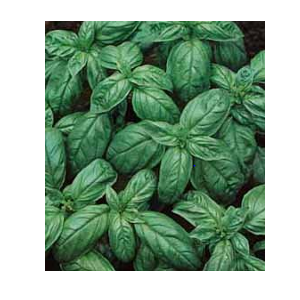
The perfect way to grow food
Aquaponics works by combining fish and soil‑free plant growing (Hydroponics) to create a closed-loop ecosystem where
- Fish enrich the water with natural nutrients,
- Plants clean and return it,
- And both thrive as a result.
The outcome is fresh vegetables, herbs, and fish grown together using a fraction of the water required by conventional methods.
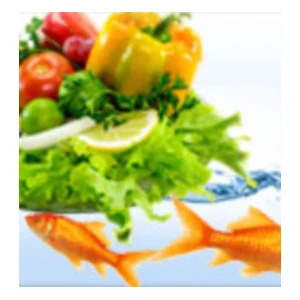
It is very thoughtful food production – where flavour, sustainability, and stewardship of the land (and water) are equally important.
This approach allows you to produce clean, seasonal food year‑round, with no synthetic fertilisers and minimal waste. Making it ideal for gardens, greenhouses, and smallholdings alike.
3 Ways to discover Aquaponics
Aquaponics encourages a deeper understanding of how food systems work, reconnecting growers and cooks with the rhythms of nature while embracing modern innovation.
Whether you’re interested in
- Home food growing,
- Resilient kitchen gardens,
- Or producing exceptional ingredients with a lighter environmental footprint,
aquaponics offers a practical and inspiring way forward.
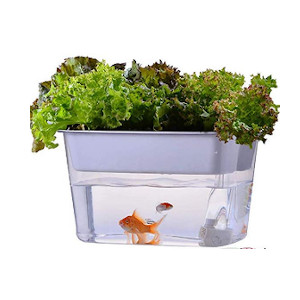
Dive into the sustainable synergy of aquaponics, where fish and plants grow together in harmony, offering chefs fresh, nutrient-rich ingredients right at their fingertips.
1. Best plants for Aquaponics
The beauty of the aquaponic system is that it combines
- The ‘tried and trusted’ system of hydroponic gardening
- And gets even better results as a result of the fish.
That means there is lots and lots of different plants you can grow – Lettuce, Tomatoes, Herbs, etc.

2. Aquaponic starter kits
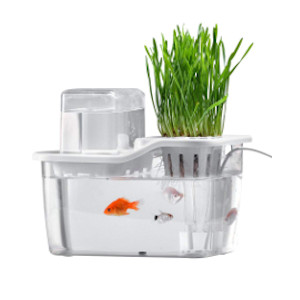
If you are new to aquaponics then there are some great starter kits. Ranging from:
- Very simple kitchen top units
- To much larger upto restaurant ones
3. Aquaponic kitchen herb garden
Our kitchen herb garden article described in detail how to get started and which herbs & vegetables to grow.
As well as the top 6 Herbs to start with.