
A rich and comforting pasta dish featuring earthy mushrooms, fragrant sage, and a silky cream sauce.
Perfect for a cozy weeknight dinner or an elegant meal shared with friends.
The dairy free version is very easy to make, and mushrooms plus sage pairs beautifully with plant-based ingredients.
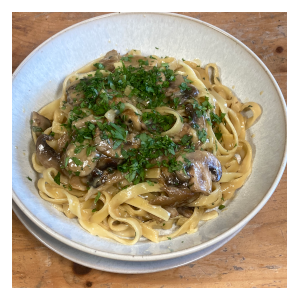
Why You’ll Love this creamy mushroom pasta recipe
This Dairy free Creamy Mushroom Sage Pasta is the ultimate comfort food.
Golden sautéed mushrooms bring deep flavour, while fresh sage adds an aromatic, earthy note that perfectly complements the creamy sauce.
Ready in under 30 minutes, it’s simple enough for busy evenings yet impressive enough for entertaining.
Dairy free Creamy Mushroom Sage Pasta recipe
Servings – 4
Cook time
- Prep Time – 10 minutes
- Cook Time – 20 minutes
- Total Time – 30 minutes
Ingredients
- 400g pasta (tagliatelle, fettuccine, or linguine work beautifully)
- 2 tbsp olive oil
- 25g vegan butter (I used Flora butter)
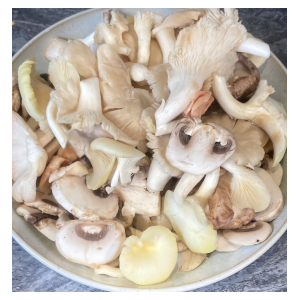
- 400g mixed mushrooms, sliced
- 3 cloves garlic, finely minced
- 10 fresh sage leaves, finely chopped
- 250ml oat cream
- 3 to 4 tbsp nutritional yeast (see note)
- 1 tbsp White miso paste
- 1 tsp Soy sauce
- 100ml pasta cooking water
- Salt and freshly ground black pepper, to taste
- Fresh parsley, chopped, for garnish
Instructions
1. Cook the Pasta
Bring a large pot of salted water to a boil. Cook the pasta according to the package instructions until al dente. Before draining, reserve 100ml of pasta water.
2. Sauté the Mushrooms
Meanwhile, heat the olive oil and plant butter in a large frying pan over medium to high heat. Add the mushrooms in an even layer and cook for 6-8 minutes until golden brown and lightly caramelized.
3. Add Garlic and Sage
Reduce the heat slightly and stir in the garlic and chopped sage. Cook for 1 minute until fragrant.
4. Make the Sauce
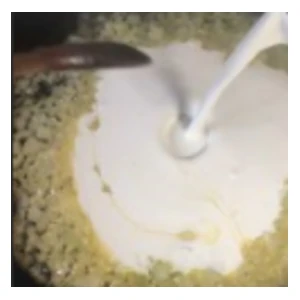
Pour in the oat cream and bring to a gentle simmer. Stir in the white miso paste, soy sauce and nutritional yeast and season with salt and black pepper. Add a splash of the reserved pasta water to loosen the sauce if needed.
5. Combine
Add the drained pasta to the frying plan and toss well until every strand is coated in the dairy free creamy mushroom sage pasta sauce. Stir in more pasta water as necessary to create a silky consistency.
6. Serve
Divide among bowls and top with chopped fresh parsley, and a few crispy sage leaves if desired.
Chef’s dairy free creamy mushroom sage pasta tips
- For extra depth of flavor, use a mixture of chestnut, oyster, and shiitake mushrooms.
- Crisp whole sage leaves in a little butter and use them as a garnish.
- Add a squeeze of lemon juice before serving to brighten the rich sauce.
Storage
Store leftovers in an airtight container in the refrigerator for up to 2 days. Reheat gently with a splash of milk or cream to restore the sauce’s silky texture.
Frequently Asked Questions
1. What is the best substitute for cream?
When making pasta sauce there are quite a few alternatives:
Option 1 – Coconut double cream
Personally I prefer the taste of coconut double cream, which is dairy free, soya free and low in sugar. However it does tend to be quite difficult to find in shops.
Option 2 – Oatly vegan cream
The alternative is to use oat cream – which is quite easy to find in shops or online at Amazon. It is great to use as an alternative to ‘normal’ dairy based cream and tastes just as good. It’s what I used in the recipe video.
For price & to order visit Amazon
Option 3 – Dairy-free cashew cream
For a homemade cream sauce:
- Soak 100g cashews in hot water for 20 minutes.
- Drain and blend with 200ml water until completely smooth.
- When making the sauce (step 4) stir it into the mushrooms and simmer gently for 2-3 minutes.
This creates a rich, velvety sauce that rivals traditional cream.
Chef’s tip….
Oat cream is particularly good in this recipe because its natural sweetness balances the earthy mushrooms and aromatic sage while creating a luxuriously silky sauce.
2. How do I replace Parmesan?
Parmesan adds saltiness and something called ‘umami’ to pasta sauces.
Umami (according to Wikipedia) is the fifth basic taste, often described as a savory, brothy, or meaty flavor that lingers on the tongue.
To replace it try adding one of the following:
- 1 tbsp white miso paste – available from Amazon
- 1 tsp soy sauce or tamari
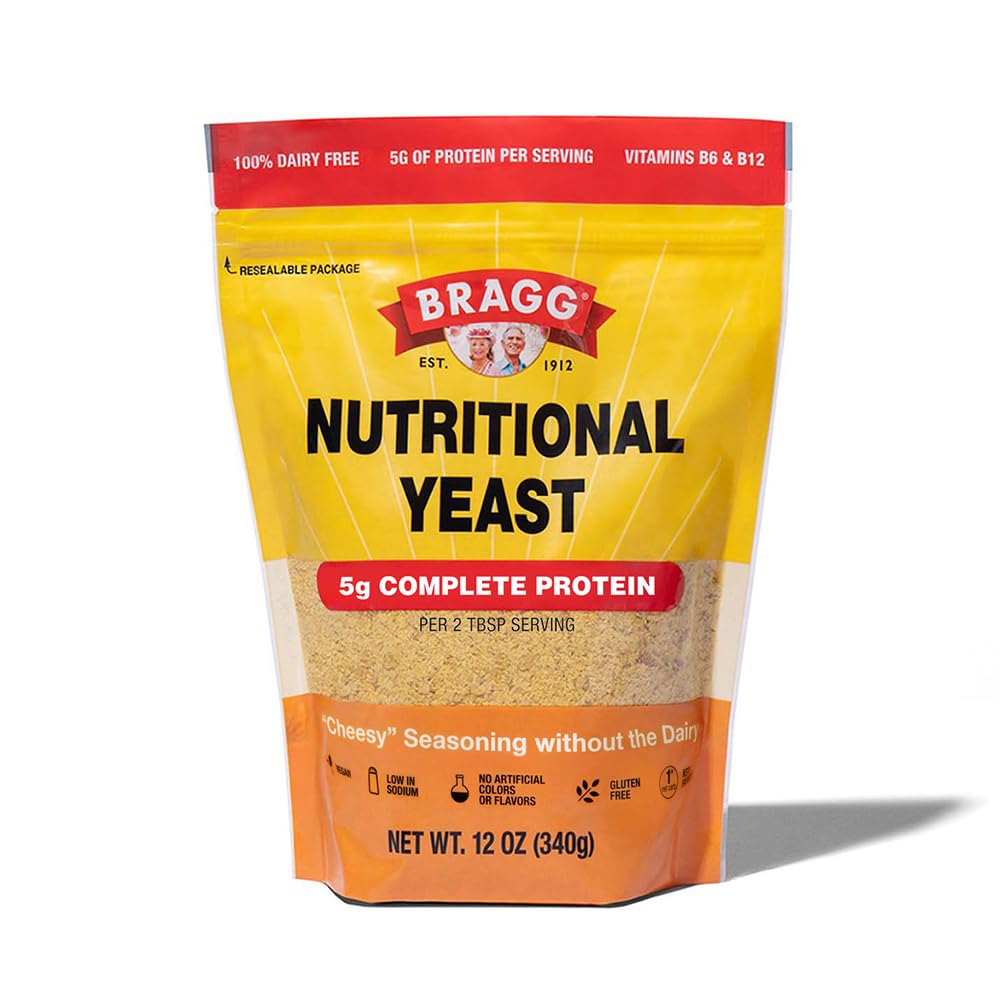
- An extra tablespoon of nutritional yeast – available from Amazon
3. What mushrooms work best in creamy pasta?
Chestnut, cremini, button and oyster mushrooms all work well.
4. Can I freeze creamy mushroom pasta?
The sauce freezes better than the cooked pasta.
5. Can I use dried sage instead of fresh sage?
Yes, but use about one-third of the amount.
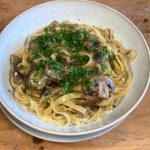
Dairy free creamy mushroom sage pasta
Equipment
- 1 Saucepan
- 1 Large frying plan
- 1 Knife and chopping board
Ingredients
- 400 g Pasta (tagliatelle, fettuccine, or linguine work beautifully)
- 25 g Plant butter (Details on Amazon)
- 400 g Sliced Mushrooms
- 3 cloves Garlic (Minced)
- 10 Fresh sage leaves
- 250 ml Oat cream (Details on Amazon)
- 4 tbsp Nutritional yeast (Details on Amazon)
- 1 tbsp White miso paste (Details on Amazon)
- 1 tsp Soy sauce
- 2 tbsp Olive oil
- 100 ml Pasta cooking water
- Salt and Pepper
Instructions
Cook the Pasta
- Bring a large pot of salted water to a boil. Cook the pasta according to the package instructions until al dente. Before draining, reserve 100ml of pasta water.
Sauté the Mushrooms
- Meanwhile, heat the olive oil and plant butter in a large frying pan over medium-high heat. Add the mushrooms in an even layer and cook for 6-8 minutes until golden brown and lightly caramelized.
Add Garlic and Sage
- Reduce the heat slightly and stir in the garlic and chopped sage. Cook for 1 minute until fragrant.
Make the Sauce
- Pour in the oat cream and bring to a gentle simmer.
- Stir in the white miso paste, soy sauce and nutritional yeast and season with salt and black pepper. Add a splash of the reserved pasta water to loosen the sauce if needed.
Combine
- Add the drained pasta to the frying pan and toss well until every strand is coated in the creamy mushroom sauce. Stir in more pasta water as necessary to create a silky consistency.
Serve
- Divide among bowls and top with chopped fresh parsley, and a few crispy sage leaves if desired.
Video
Nutrition
Growing Sage At Home
A key ingredient in this recipe is Sage.
Sage is one of the most underrated herbs to grow at home – it has a lovely flavour and is great for use in many recipes – for example like sage tea
900 types of sage….
There are over 900 different types of sage, which all add different flavours to meals. For example you could grow:
- Common Sage (Salvia officinalis) – which is the one used in the recipe. It has a robust, earthy flavour and used in many recipes.
- Berggarten Sage – similar to the one above but less bitter and slightly sweeter
- Pineapple Sage (Salvia elegans)- will give your recipes a fresh pineapple flavour
- Tangerine Sage – strong citrussy flavour with a slightly spicy aftertaste.
- Greek Sage (Salvia fruticosa) – quite unique strong sharp flavour. You either love it or you don’t
- Spanish Sage (Salvia lavandulifolia) – has a mild, bit lavender type flavour.
Not many are available to buy in shops – but are very easy to grow at home.
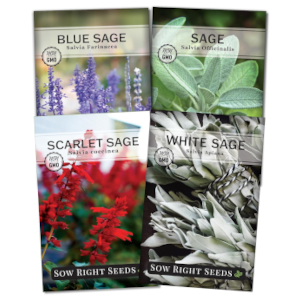
The pictured sage variety pack is a great place to start – details on Amazon
Why fresh sage tastes better than dried
Fresh sage has a much natural herbal sweetness than dried sage – you will notice a real difference when using it in cooking.
How to grow sage at home
There are 2 ways to grow sage:
1. Grow from seed
The pictured sage was grown from seed – you can either grow it from seed or buy a plant or plug plant.
Our guide on how to grow herbs from seed gives step by step advice
2. Buy a plant
On the other hand buying a plant is a lot quicker. (And easier)
You can buy one online (lots of examples on Amazon)
All you do is:
- Pick a sunny spot with 6 to 8 hours of sun (Or easier use a grow lamp – see below)
- Put it in a pot that contains sandy or gritty soil with some compost.
- You can grow it either indoors (in a sunny spot) or in the garden.
If growing outdoors – then plant it in the spring (after the last frost)
Sunlight is very important for sage (like all herbs). If growing indoors you can grow it any time of year when using a grow lamp
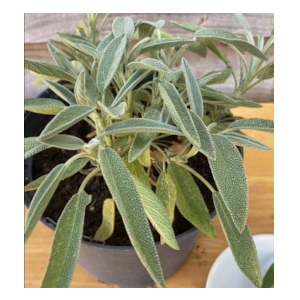
Our main article provides ‘step by step’ advice on how to grow herbs and vegetables, which type to select and how to use them in recipes.
Leave a Reply