
How to Grow Herbs Indoors: A Simple Step-by-Step Guide for Fresh Herbs All Year Round
Fresh herbs can transform everyday cooking, and growing herbs indoors is one of the easiest ways to ensure you always have flavour-packed ingredients within reach.
Whether you want basil for pasta, parsley for salads, or rosemary for roasted vegetables, indoor herb gardening can provide fresh harvests throughout the year.
In this guide, you’ll learn which herbs grow best indoors, how to get faster results, and how to choose the right growing method for your home.
Quick links:
Why Grow Herbs Indoors?
Growing herbs indoors offers several advantages:
- Fresh herbs available whenever you need them
- Lower grocery costs over time
- Better flavour than dried herbs
- Year-round harvesting
- Ideal for kitchens, flats, and small spaces
Many herbs thrive indoors when given enough light, water, and care.
Step 1: Choose the Right Herbs for Indoor Growing
Not all herbs offer the same value when grown indoors.
Best Herbs to Grow Indoors
Popular indoor herbs include:
How to Decide Which Herbs to Grow
Ask yourself these three questions:
1. Can I easily buy it fresh?
Some herbs, such as rosemary and thyme, are often available in supermarkets. If you only use them occasionally, buying them may be easier than growing them.
2. Is it difficult to find locally?
Speciality herbs and unusual basil varieties can be hard to find fresh. These are often excellent choices for indoor growing.
3. How often do I use it?
If you cook with an herb every week, growing it indoors can save money and make meal preparation more convenient.
Step 2: Decide How Quickly You Want Results
Your starting method affects how soon you can harvest.
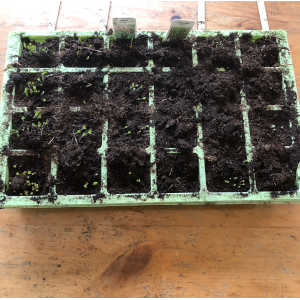
Start from Seeds
Growing herbs from seed is the most affordable option.
Benefits:
- Low cost
- Wide variety of herb types available
- Enjoy the full growing process
Drawbacks:
- Slower results
- More patience required
Start with Herb Plants or Plug Plants
If you want fresh herbs quickly, begin with established plants.
Benefits:
- Faster harvests
- Easier for beginners
- Less waiting time
Drawbacks:
- Higher initial cost
- Not every herb is available year-round
Step 3: Choose Your Growing Method
Option 1: Grow Herbs in Soil
The simplest and most traditional approach.
You’ll need:
- Pots with drainage holes
- Quality potting compost
- Regular watering
- Occasional feeding
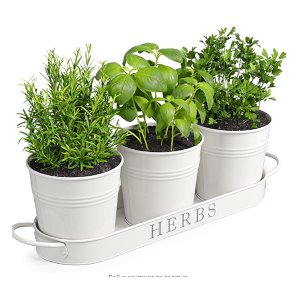
Soil-grown herbs are easy to manage and suitable for most beginners. For example the pictured kitchen herb planter kit is great for growing herbs on a windowsill.
For price & to order visit Amazon
Option 2: Grow Herbs Hydroponically
Hydroponic systems grow plants in nutrient-rich water rather than soil.
Benefits include:
- Faster growth
- Automated watering
- Cleaner indoor setup
- Reduced maintenance
When choosing a hydroponic system, ensure it has enough space for mature herbs, as some varieties can become surprisingly large.
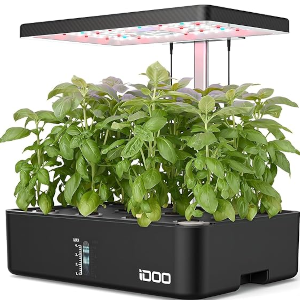
A unit (like the pictured kitchen hydroponic kit) is very easy to use and will help you get very, very fast results.
For price & to order visit Amazon
Step 4: Provide Enough Light
Light is often the biggest factor in indoor herb gardening success.
Natural Light
For best results:
- Place herbs in a bright south-facing window
- Aim for at least 6 hours of sunlight daily
- Rotate pots regularly for even growth
Grow Lights
If natural light is limited, use LED grow lights.
Grow lights help:
- Increase growth speed
- Improve plant health
- Enable year-round production
- Produce stronger harvests during winter
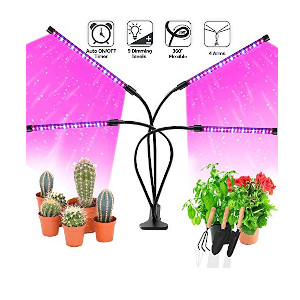
For example the pictured grow light will help you not only grow herbs, but also vegetables if required. For price & to order visit Amazon
Step 5: Maintain Healthy Herbs
Once established, most herbs need only basic care.
Weekly Indoor Herb Care Checklist
✓ Check soil moisture
✓ Water when needed
✓ Remove dead leaves
✓ Harvest regularly to encourage growth
✓ Feed monthly during the growing season
✓ Ensure good airflow around plants
Common Indoor Herb Growing Mistakes
Avoid these common problems:
Too Little Light
Weak, leggy growth is usually caused by insufficient light.
Overwatering
Most herbs prefer slightly moist soil rather than constantly wet conditions.
Choosing the Wrong Location
Keep herbs away from cold draughts and radiators.
Harvesting Too Much
Never remove more than one-third of the plant at one time.
Quick Action Plan: Start Growing Herbs Indoors Today
If you’re new to indoor herb gardening, follow these steps:
- Choose one or two herbs you use regularly.
- Decide whether to start from seeds or plants.
- Select pots with drainage or a hydroponic system.
- Place herbs in a bright south-facing window or under grow lights.
- Water consistently but avoid overwatering.
- Begin harvesting once plants are well established.
- Enjoy fresh herbs all year round.
Frequently Asked Questions
What is the easiest herb to grow indoors?
Basil, mint, chives, and parsley are among the easiest herbs for beginners.
Do herbs need direct sunlight indoors?
Most culinary herbs grow best with at least 6 hours of strong light daily. Grow lights are helpful when natural sunlight is limited.
Is it better to grow herbs in soil or hydroponics?
Soil is simpler and less expensive. Hydroponics can provide faster growth and more automation.