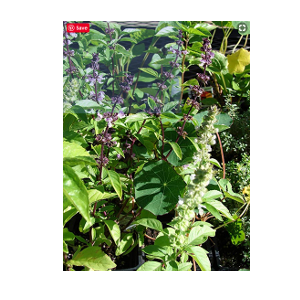
Basil – how to grow it & cook with it
Basil is one of the most rewarding herbs to grow at home. From quick‑growing plants on a windowsill to flavourful leaves for fresh sauces, this herb bridges the gap between garden and kitchen.
Quick links to the article content:
Quick facts
- Type: Culinary herb
- Grows well in: Soil, containers, hydroponics
- Difficulty: Easy
- Best grown: Indoors or outdoors in summer
- Harvest time: 3–6 weeks
1. Basil varieties – which ones to grow and why
There are many varieties, each with its own flavour, growth habit, and best use in the kitchen. You don’t need to grow them all — choosing the right type makes growing easier and cooking better.
Below are the main varieties most worth growing at home, grouped by how you’ll actually use them.
| Classic & everyday basils | Flavour‑led basils | Compact & decorative basils |
|---|---|---|
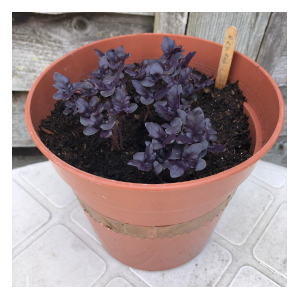
| Genovese Basil | Thai Basil | Red Rubin basil |
| Preferred by chefs and easy to grow. Ideal for Italian, French or Greek recipes | Spicier flavour and loves sunshine. Lovely in Thai, Laos or Vietnamese Recipes | Ideal for tomato dishes, salads and especially great in cocktails. |
| Sweet Basil | Lemon Basil | Cinnamon Basil |
| The classic Italian basil. Soft leaves, fast growing. Great in pesto and sauces. | Light basil with a citrus taste. Ideal for salads, fish and even sweet desserts. | Very pretty basil with a spicy aroma. Great for pasta, pies and even ice cream |
| Minette Basil | Lettuce leaf basil | |
| Often used in pizzas but great in pasta or salad | Often used for sandwiches, pesto and salads. | |
| Holy Basil | ||
| Also called Tulasi basil or hot basil. Great for Thai meals |
Which basil should you choose?
If you’re unsure where to start:
- Only growing one plant? → Genovese or sweet basil
- Cooking Asian dishes often? → Thai basil
- Growing indoors or in pots? → Cinnamon basil
- Want something different? → Lemon or Red Rubin basil
You can grow multiple different types together, but each will behave slightly differently in terms of size, flavour, and harvest timing.
There is more info in our types of basil page.
2. Why grow basil at home?
There are 3 reasons:
A – Taste difference vs supermarket basil
When you use your own ‘home grown’ basil you will notice a real difference in taste. Simple reason is that it will be fresh, as opposed to supermarket leaves which will be at least 1 or 2 days old (or older). Age will make a real difference to the taste of your meals.
B – Cut and come again benefits
The beauty of your own plant is that it will keep on growing and growing. You don’t have to visit a shop to buy some more as your supplies will be in your house every time.
C – The basil type you can grow
But one of the key reasons I love it is that you can grow varieties simply not available in shops. For example Red Rubin or Cinnamon basil not only look great, but have a flavour which is fantastic in different recipes.
3. How to grow basil
Basil is fast‑growing and forgiving, making it ideal for beginners. It thrives in warm conditions with plenty of light.
My step by step guide will show you how to grow it at home:
- Whether to grow it from seed or buy a plant
- How to grow it using soil or water
- Care & common problems
- How to grow basil
3 growing options
The guide above will show you how to grow it but (like all herbs) there are 3 main options you can use:
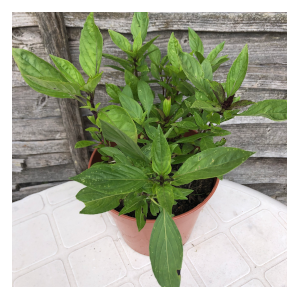
- Containers – easy for growing it on a windowsill.
- Hydroponics – where you grow it in water or not soil (fast leaf production)
- Raised beds – in the garden (summer growing)
- Learn more about growing systems
4. How to use basil in cooking
Basil’s flavour changes dramatically depending on how it’s used. Fresh leaves shine in uncooked dishes, while gentle heat releases sweetness.
Fresh basil is very easy to use. All you do is cut & wash the stem, remove the leaves from the stem (sliding your fingers down the stem) and then cut into bits. Our article & video on how to use basil in cooking provides more detail
Dried basil vs Fresh basil
- Dried basil – will have a more ‘intense’ flavour , which is why you can add it at the start of cooking.
- Fresh basil – will add a more ‘fresh’ flavour to your dishes and you add it at the end of cooking.
The reason chefs use fresh basil is because it adds much more flavour to recipes.
Storage basics
There are 2 very easy ways to store it and keep the flavour and taste:
- In a fridge – trim the stems, place in a jar with some water and ideally cover with plastic. It should last about 1 to 2 weeks.
- Frozen – however a very easy option is to make fresh basil ice cubes. They keep the natural flavour and you can store them for 6 to 12 months.

5. Basil recipes
The fresh basil recipes section provides example recipes, or below are the 4 most popular recipes:
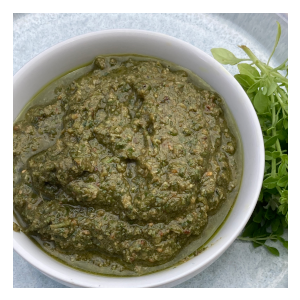
How to make basil pesto to freeze
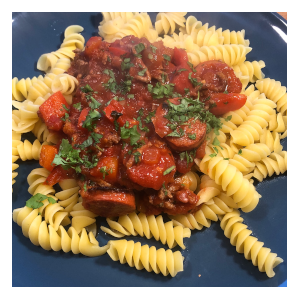
Simple Chorizo sauce pasta
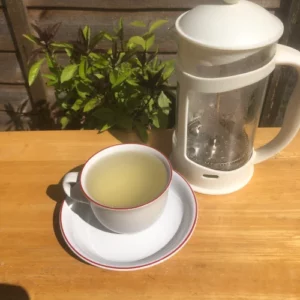
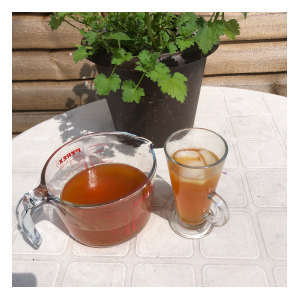
Thai basil tea – easy to make, delicious & Healthy
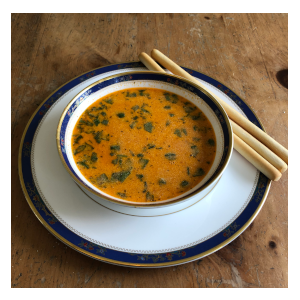
Tomato and Basil Soup Recipe
For the latest recipes & advice why not have a look at my instagram page?
6. Basil FAQs
A – Can basil be grown indoors all year?
It loves sunshine which is why it grows really fast in summer.
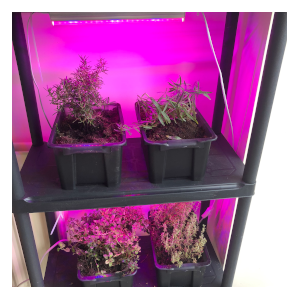
However you can grow it all year around indoors – providing you make sure it has plenty of light. For example the picture shows how I grow herbs in a north facing kitchen in the winter by adding grow lights to kitchen shelves.
B – Does basil grow better in water or soil?
It will grow in both, the key is to make sure you provide the right environment.
- In soil – make sure it well drained soil that is rich in nutrients. And provide water on a regular basis.
- In water (hydroponics) – it will often grow faster and larger but the key is to provide it with enough nutrients.
The guide to grow herbs provides more detailed information
C – Why does basil bolt?
To bolt means simply that plants will start growing flowers / seeds.
It is quite natural but the key is to use the leaves for cooking. When it bolts it will produce less leaves.
There are 3 main reasons it will bolt:
- To warm – easy to option is to move it to a partial shade location.
- To dry – key is to provide regular water, making sure the soil is moist (but not to soggy)
- Pot to small – if you are growing it in pots then sometimes the roots can become confined. Easy option is to put it in a larger pot.
Very important – the key to making sure it doesn’t bolt is to make sure you pinch off the top leaves and buds. And make sure you use as many leaves as possible. I always love this advice as it means more cooking 🙂