
Sage tea is a warm, aromatic herbal tea made from the leaves of the sage plant (Salvia officinalis).
With its earthy flavor and soothing aroma, this caffeine-free tea is a comforting beverage to enjoy any time of day.
Whether you’re using fresh sage from your garden or dried leaves from your pantry, this simple recipe delivers a flavourful cup in minutes.
Why You’ll Love This Sage Tea
- A cozy way to enjoy homegrown herbs
- Naturally caffeine-free
- Made with just a few ingredients
- Ready in under 15 minutes
- Easy to customize with honey, lemon, or ginger
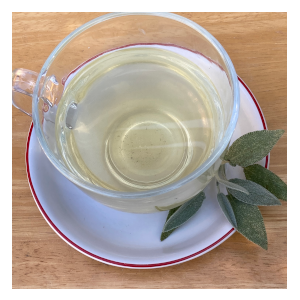
How to make Sage Tea
The recipe below will show you step by step how to make Sage tea.
Ingredients
For 1 serving:
- 1 tablespoon fresh sage leaves (about 6 to 8 leaves), lightly crushed
- OR 1 teaspoon dried sage leaves
- 1 cup (240 ml) water
- 1 teaspoon honey (optional)
- 1 lemon wedge (optional)
Equipment
- Small saucepan or kettle
- Tea infuser or fine-mesh strainer
- Mug
Instructions
- Step 1: Heat the Water & pick the Sage
- Pick the sage leaves from the plant.
- At the same time bring the water to a gentle boil in a kettle or saucepan. Remove it from the heat once it reaches a rolling boil.
- Step 2: Add the Sage
- Carefully & gently rub the sage leaves in your hands.
- And then place the fresh or dried sage leaves into a tea infuser, teapot, or directly into your mug.
- Step 3: Steep
- Pour the hot water over the sage leaves.
- For a mild flavor: steep for 5 minutes
- For a stronger flavor: steep for 8 to 10 minutes
- Step 4: Strain and Serve
- Remove the leaves or strain the tea into a mug.
- Step 5: Customize
- Add honey for sweetness or a squeeze of lemon for brightness and enjoy warm.
Expert Brewing Tips
- Use Fresh Leaves for a Cleaner Flavour – Fresh sage produces a lighter, brighter tea that highlights the herb’s natural aroma.
- Avoid Over-Steeping – Steeping longer than 10 minutes can create a bitter taste.
- Crush the Leaves Lightly – Gently bruising the leaves before brewing helps release essential oils and flavour.
- Use Filtered Water – Good-quality water makes a noticeable difference in the final taste.
- Cover While Steeping – Keeping the mug or teapot covered helps retain aromatic compounds.
7 Delicious Variations
The simple sage tea recipe will produce a great tasting tea – but there are lots of ways you can change it for variety.
1. Lemon Sage Tea
Add:
- 1 tablespoon fresh lemon juice
- Thin lemon slices for garnish
The citrus balances sage’s earthy flavour beautifully.
2. Honey Sage Tea
Add:
- 1 to 2 teaspoons honey
Perfect for those who prefer a sweeter herbal tea.
3. Sage Ginger Tea
Add:
- 2 thin slices fresh ginger during steeping
Creates a warming, spicy flavor combination.
4. Sage Mint Tea
Add:
- A few fresh mint leaves
Results in a refreshing herbal blend.
5. Iced Sage Tea
Double the amount of sage leaves and steep for 10 minutes. Chill and serve over ice with lemon slices.
6. Raspberry Sage Iced Tea
Add:
- A handful of fresh raspberries when steeping
- Sweeten with honey.
- Then chill and serve over ice.
7. Winter Sage Tea
Add:
- Black tea (like Earl Grey) when steeping
- Add honey to sweeten at the end.
Serve with a slice of lemon
Frequently asked questions:
1. What’s the best sage to use?
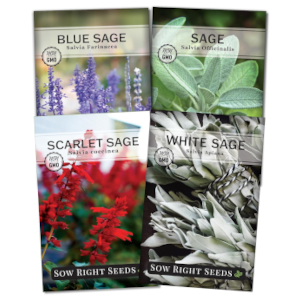
The type of sage you use when making tea will have an major impact on the flavour. There are over 900 different types of sage but the most popular ones are:
- Common Sage (Salvia officinalis) – which is the one used in the recipe. It has a robust, earthy flavour and used in many recipes.
- Berggarten Sage – similar to the one above but less bitter and slightly sweeter
- Pineapple Sage (Salvia elegans)- will give your tea a fresh pineapple flavour
- Tangerine Sage – strong citrussy flavour with a slightly spicy aftertaste.
- Greek Sage (Salvia fruticosa) – quite unique strong sharp flavour. You either love it or you don’t
- Spanish Sage (Salvia lavandulifolia) – has a mild, bit lavender type flavour.
Not many are available to buy in shops – but are very easy to grow at home.
The pictured sage variety pack is a great place to start – details on Amazon
2. Is sage good for me?
Sage has been known throughout history as a ‘healing plant’. It’s been grown to help with items ranging from digestion, prevent colds and even improve memory.
There are very many different benefits such as supporting the cardiovascular system, helping blood pressure, soothing sore throats, etc.
It is also naturally Caffeine-Free – so that (unlike coffee or black tea), sage tea can be enjoyed throughout the day without caffeine.
So yes (in addition to the lovely taste) it will be good for you.
3. When should I not use it?
Sage has some lovely health benefits but the downsize is that it will also affect certain bodily conditions. The easiest option is to get medical advice if you have a unique circumstance.
But the 3 times you should not drink it is if you are:
- Pregnant or breast feeding – as the oestrogen type properties of the herb might affect you.
- Diabetic – as the herb might reduce blood sugar levels.
- Have epilepsy – as it might trigger convulsion.
In addition you should also be careful if taking medication – always take medical advice. Whatever your condition (even if very healthy) make sure you drink no more than 3 to 6 cups per day. Just shows you just what an impressive herb this is!!!
4. What is the sage tea history?
The sage herb has a very long history – many thousands of years old.
The Egyptians used it over 4000 years ago for fertility and the Romans & Greeks used it due to its health benefits.
Maybe the first time sage tea was mentioned is when the ancient Greek physician and military botanist Dioscorides used it to make a hot infusion in the 1st century AD.
It has a long history – but the item I liked most was that when harvesting Sage the Romans would use a Sacred Harvesting Ritual.
So that the person picking the sage had to wear perfectly clean garments and have washed, bare feet. In addition they would sacrifice bread & wine. Maybe an idea when cutting the sage in the garden?
Like wearing the pictured Roman costume (available from Amazon)

5. What’s better – a tea infuser or tea pot?
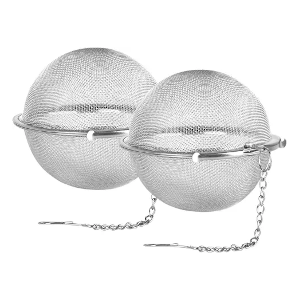
I prefer using a tea infuser – like the pictured tea balls. Simply because I will make 1 mug at a time, and they are quick & easy to clean.
On the other hand a larger tea pot is ideal for bigger quantities – especially if it has a build in tea infuser.
The alternative is to use a sieve when pouring.
For price & to order visit Amazon

Sage tea
Equipment
- 1 Kettle (or small saucepan)
- 1 Tea infuser (or fine mesh strainer)
- 1 Mug
Ingredients
- 1 tbsp Fresh sage leaves (About 6 to 8 leaves)
- 240 ml Water (1 cup)
- 1 tsp Honey (optional)
- 1 Lemon wedge (optional)
Instructions
Heat the Water & pick the Sage leaves
- Pick the sage leaves from the plant. At the same time bring the water to a gentle boil. Remove it from the heat once it reaches a rolling boil
Add the Sage
- Carefully and gently rub the sage leaves in your hands
- Place the fresh or dried sage leaves into a tea infuser, teapot, or directly into your mug.
Steep
- Pour the hot water over the sage leaves.
- Leave to steep. For a mild flavour: steep for 5 minutes. For a stronger flavour: steep for 8 to 10 minutes
Strain and Serve
- Remove the leaves or strain the tea into a mug
Customize
- Add honey for sweetness or a squeeze of lemon for brightness and enjoy warm.
Video
Nutrition
How to store leftover sage tea
Refrigerate it in a sealed container for up to 2 days and enjoy cold or reheated.
Other Tea recipes & hot drinks

Oregano lemon lemonade
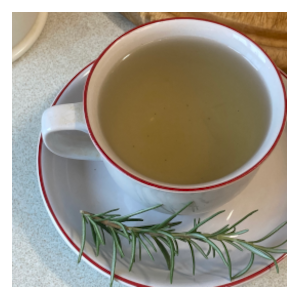
Fresh rosemary tea
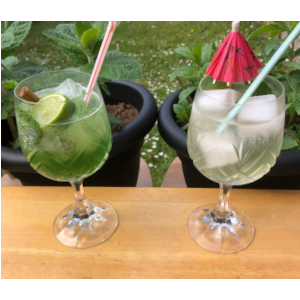
Easy Cuban apple mint mojito
How to make Sudanese style Lime mint lemonade
Peppermint lemonade
How to make Cinnamon coriander tea
More information
Our main article provides ‘step by step’ advice on how to grow herbs and vegetables, which type to select and how to use them in recipes.
Leave a Reply